




Oil prices in international markets are recording one of the biggest weekly declines since the start of the COVID-19 pandemic. Expectations for a reduction in military tensions in the Middle East and the possibility of a return to larger oil exports from this region have contributed to the decline in prices.
According to Reuters, on Friday, November 6, Brent crude oil was trading at $97.55 per barrel, down 0.8 percent. At the same time, U.S. West Texas Intermediate (WTI) crude oil was down 0.8 percent to $89.79 per barrel.
Based on the January Brent contract, the benchmark was on track for a weekly decline of 16 percent. If that trend continues, it would be the biggest weekly percentage drop since the start of the COVID-19 pandemic. Meanwhile, WTI was expected to record a weekly loss of more than 13 percent.
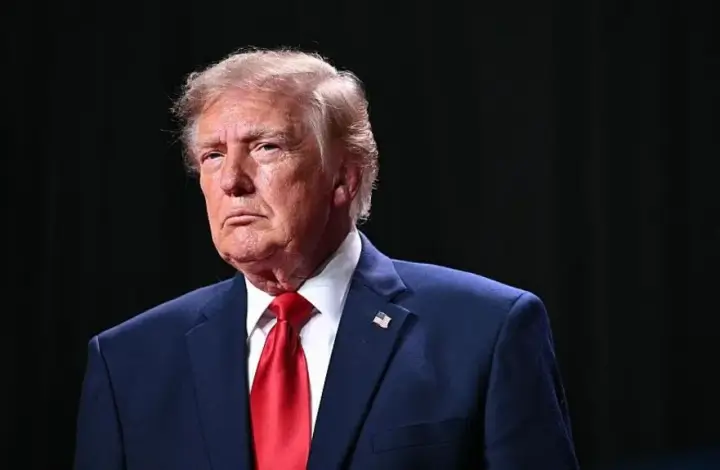
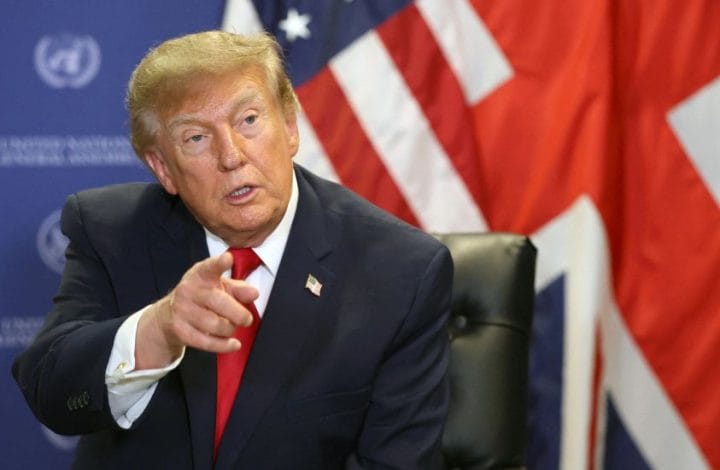
One of the factors that has influenced this development is the results of the midterm elections in the United States, where Democrats gained control of both houses of Congress, weakening the political position of President Donald Trump.
Markets have begun to assess the possibility that the changing political balance in Congress will increase pressure on the Trump administration to reduce military involvement in the conflict with Iran and seek a diplomatic solution.
Expectations for easing tensions have directly impacted the oil market, as investors predict that normalization of the situation in the region could enable exports to return to higher levels from Middle Eastern producing countries.
Falling prices and expectations of a surplus of oil on the market
According to Reuters, another indicator of the changing market situation is the return of price premiums for Middle Eastern crude oil to pre-conflict levels. This development is seen as a sign that pressure on supplies may be easing and that the market may be facing a potential oil glut.
The sharpest price drop was recorded on Wednesday, when both major oil benchmarks lost more than 8 percent in one day, falling to their lowest levels in more than two months.
However, this decline has not continued uninterrupted. Over the past two days, prices have seen a partial recovery, as attacks on tankers in the Persian Gulf and the Strait of Hormuz have revived concerns about the security of global supplies.
Iran said three more tankers were attacked on Thursday, Reuters reported, while data from the UK's maritime safety authority, UKMTO, showed that attacks on oil tankers continued to be near record levels.
The Strait of Hormuz, one of the main risks for the oil market
One of the main factors of uncertainty in the market remains the Strait of Hormuz, the maritime corridor located between Iran and Oman and through which large quantities of oil are transported from Gulf countries to international markets.
Any disruption to maritime transport in this corridor could cause serious problems in global oil supplies and put upward pressure on prices in international markets.
In this situation, the oil market is facing two opposing developments. On the one hand, expectations of a reduction in military tensions and the return of exports from the Middle East are contributing to the decline in prices. On the other hand, attacks on tankers and uncertainty in the Strait of Hormuz continue to pose a risk to supplies.
If an agreement is reached to reduce tensions and normalize shipping, oil prices could face further downward pressure. However, a new military escalation or attacks on energy infrastructure could change the market direction again.
Reuters estimates that, despite the significant weekly decline, concerns about supplies from the Middle East continue to be a factor that could limit further price declines.