Cambridge Dictionary has named “human” as its word of 2026, at a time when artificial intelligence is changing how people create and communicate.
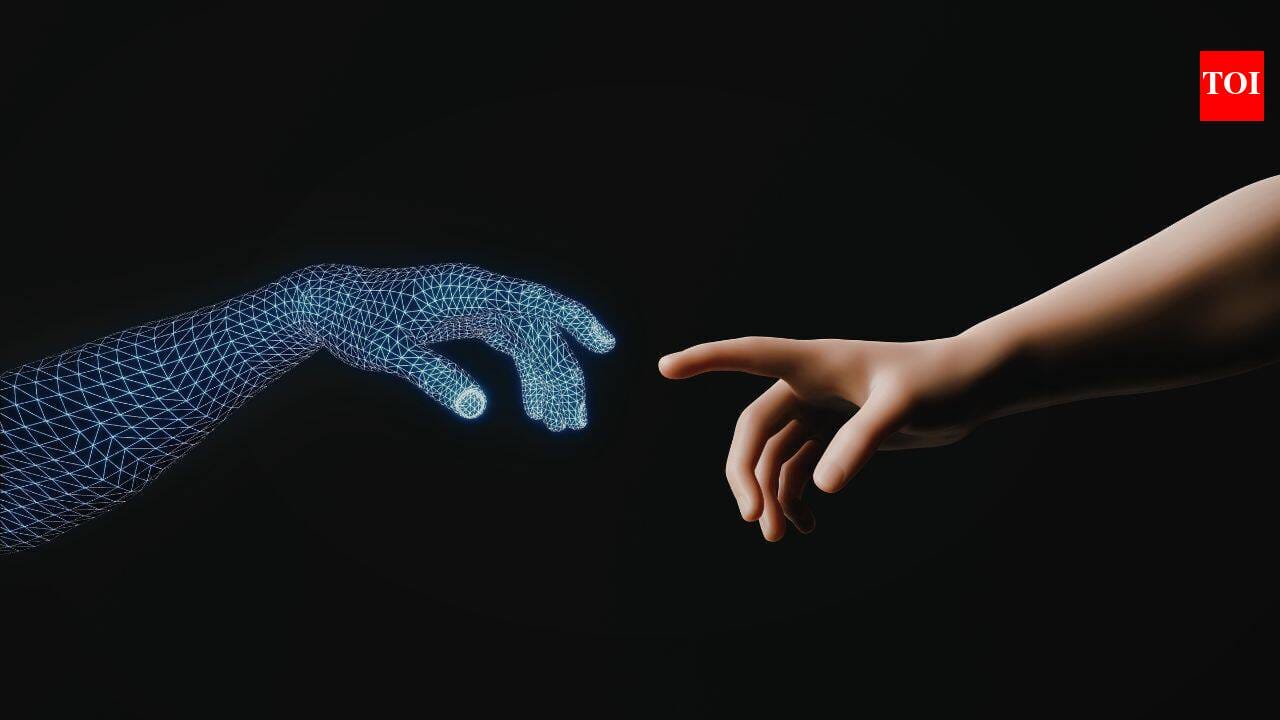
The choice is no accident. According to dictionary researchers, interest this year has grown in what it means to be human and in the differences between human and artificial intelligence.
The word “human” is defined as having the qualities, flaws and emotions that characterize people, as opposed to machines, animals or divine beings.
The debate has also been fueled by concerns about how far artificial intelligence may go and which abilities should remain exclusively human. Creativity, conscience, empathy and human relationships are among the issues being discussed more and more.
Cambridge Dictionary’s choice reflects a broader concern in society: as technology becomes ever more capable, people are trying to define more clearly what sets them apart from machines.
Other words in the running for the title included “agent,” which relates to autonomous artificial intelligence systems, and “wholesome,” which describes something good and beneficial for well-being.
Our editorial team writes and publishes its articles with the help of AI, and every article is reviewed by our editors.