







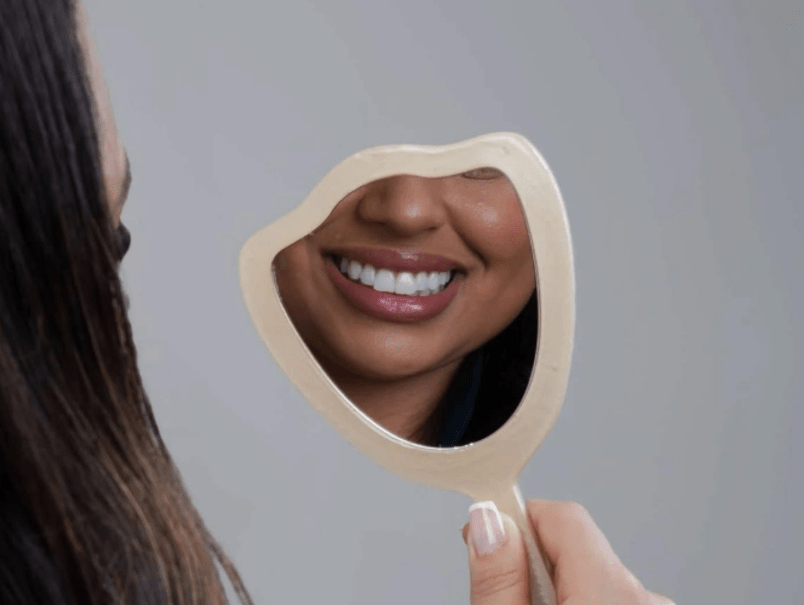
Dental problems become more serious when they are neglected. Waiting until the pain becomes unbearable can turn a minor concern into a much more complicated treatment.
Lingering sensitivity, bleeding gums or a rough patch on the tongue can signal various problems. Not every symptom is alarming, but these 20 signs show that you should not wait for the problem to go away on its own.
1. Tooth pain that does not go away
Discomfort after biting down on something hard may settle on its own, but pain that lasts more than a day or two should be checked. The cause may be tooth decay, a crack, an irritated nerve or an infection near the root. None of these should be treated at home.
2. Your face or jaw is swollen
Visible swelling around the cheek or gums can be linked to an infection. It may also be accompanied by heat in the affected area, sensitivity, fever or a bad taste in the mouth.
3. Your gums bleed regularly
Some bleeding after flossing is possible, especially if you have not flossed for months. But frequent bleeding should not be considered normal.
Red, swollen gums that bleed when you brush may be an early sign of gingivitis or a more advanced gum disease. Your dentist can determine whether you need a professional cleaning or a more thorough examination.
4. Hot and cold foods cause you pain
Pain from ice cream is usually linked to common sensitivity, but a new, sharp pain or pain that lasts a long time may indicate enamel damage, inflammation of the tooth nerve and so on.
5. A tooth is loose
Teeth should not move, regardless of age. Mobility can be caused by gum disease, bone loss, an injury, or pressure from grinding and clenching.
6. Bad breath persists after brushing
Foods such as garlic can cause temporary bad breath, but an unpleasant odor should not last after you have brushed your teeth and tongue. Persistent bad breath may be linked to gum disease, food debris, dry mouth, an infected tooth or a dental appliance that does not fit properly.
7. You see a hole or dark spot
A brown or chalky white spot on a tooth may be a decayed area and not just a stain. Some cavities do not cause pain until they reach the deeper layers of the tooth. The appearance may be the first warning, so the tooth should be checked before the damage progresses.
8. Your gums are receding
Teeth may look longer when the gum tissue starts to recede. The main causes include gum disease, aggressive brushing, smoking, teeth grinding or naturally thin gums. A dentist can help protect exposed roots from sensitivity and decay.
9. A mouth sore is not healing
Small wounds caused by accidentally biting your cheek usually improve within one or two weeks. A sore or a red or white patch should be checked, especially when it lasts more than two weeks.
10. Chewing has become painful
Pain when biting may be caused by a cracked tooth, a loose filling, a root infection, inflammation around the tooth and so on. Tell your dentist whether the pain occurs when you bite down or when you release the bite, because this detail can help determine the cause.
11. You wake up with jaw pain
Morning jaw pain, headaches or tired muscles may indicate that you clench your teeth during the night.
Over time, the pressure can flatten the surfaces of your teeth, create small cracks and damage crowns or fillings. Your dentist may recommend a mouthguard to protect your teeth.
12. A filling or crown has come off
Losing a filling or crown is more than a nuisance, because the tooth underneath is left exposed and unprotected. Food and bacteria can get into the open area, while chewing may cause further damage or sensitivity. If possible, keep the crown and contact your dentist instead of trying to fix it yourself.
13. Watch for pus
A small bump on the gums, similar to a pimple, may be the spot where an infection near the tooth root is draining. Do not pop or touch it, especially if it discharges fluid or causes an unpleasant taste. Even when the pain is mild, prompt treatment is needed.
14. Your teeth are chipping more often
Fragments that break off repeatedly may indicate weakened enamel. They can also be linked to untreated decay, teeth grinding or erosion from acids. Your dentist can repair the damage and investigate why it is happening.
15. Your mouth is constantly dry
Dry mouth can be caused by dehydration, side effects of medications, smoking or low saliva production. A dental checkup can identify signs of dryness and help you find practical ways to manage it.
16. Dentures have started to hurt
Dentures that were once comfortable may become loose or painful because gums change over time. Clicking, slipping, pressure sores or difficulty chewing show that the fit needs to be reassessed. Do not keep adjusting them with over-the-counter adhesives, because they may need repair or replacement.
17. The gum around a wisdom tooth is swollen
Sensitivity behind the last molar may appear when a wisdom tooth has partly remained under the gum. Food and bacteria can collect under the tissue that covers it. Your dentist can clean the area, take an X-ray and decide whether the tooth should be monitored or removed.
18. Your teeth look worn down
Flattened edges and teeth that look shorter may indicate years of grinding. Wear can also be caused by frequent reflux, acidic drinks or aggressive brushing. Early advice is important, because lost enamel does not grow back naturally.
19. Your bite suddenly feels different
If your teeth no longer meet the way they used to, the cause may be an injury, swelling or a problem with a filling. You may notice that you shift your jaw to chew more comfortably, or that one tooth hits before the others.
20. Pain is getting in the way of daily life
Pain that keeps you from sleeping, eating or carrying out normal activities is no longer a minor concern. Severe throbbing pain, facial swelling or pain that spreads toward the ear or jaw may indicate an urgent infection. Contact your dentist immediately.
Our editorial team writes and publishes its articles with the help of AI, and every article is reviewed by our editors.









