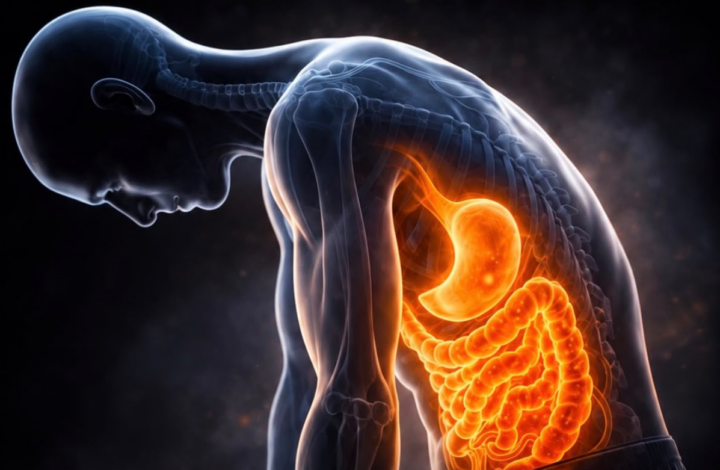
Magnesium is one of the most important minerals for the proper functioning of the body. It takes part in hundreds of biological processes, including energy production, muscle and nervous system function, and the maintenance of normal bodily functions. Although magnesium deficiency is not always easy to detect, in some cases it can show up through symptoms that we often attribute to fatigue, stress or a busy daily life. These range from muscle cramps and exhaustion to mood swings. Of course, these symptoms do not necessarily mean you have a magnesium deficiency, as they can be caused by other factors. So, what are the four signs to watch for, and when should you investigate further? 1. Unexplained fatigue Fatigue and muscle exhaustion are common symptoms of low magnesium levels. Magnesium helps the body convert food into energy. When you do not have enough, you are likely to feel constantly worn out and short of energy. A study of more than 2,500 women found that those with higher magnesium levels were stronger than those with lower levels. 2. Frequent muscle aches Magnesium plays an important role in relaxing muscles and contributes to protein synthesis, which is essential for keeping muscles strong. While an occasional muscle cramp or spasm is usually nothing to worry about, when these symptoms become more frequent, low magnesium levels may be a contributing factor. 3. Weak bones Magnesium deficiency has been linked to low bone density (osteopenia) and a rising risk of osteoporosis. Since magnesium helps activate vitamin D and move calcium into the bones, it is considered essential for bone health. 4. Increased stress Neurotransmitters that carry messages in the brain are affected by magnesium, which explains why the mineral may play an important role in mood. An analysis of data from nearly 9,000 people found a link between low magnesium intake and depression in people under 65. Magnesium is also thought to help lower cortisol and increase GABA, a neurotransmitter that may help reduce anxiety.
Originally published in Albanian on Reporteri.net. We use AI to help translate and publish our articles, and every article is reviewed by our editors.