







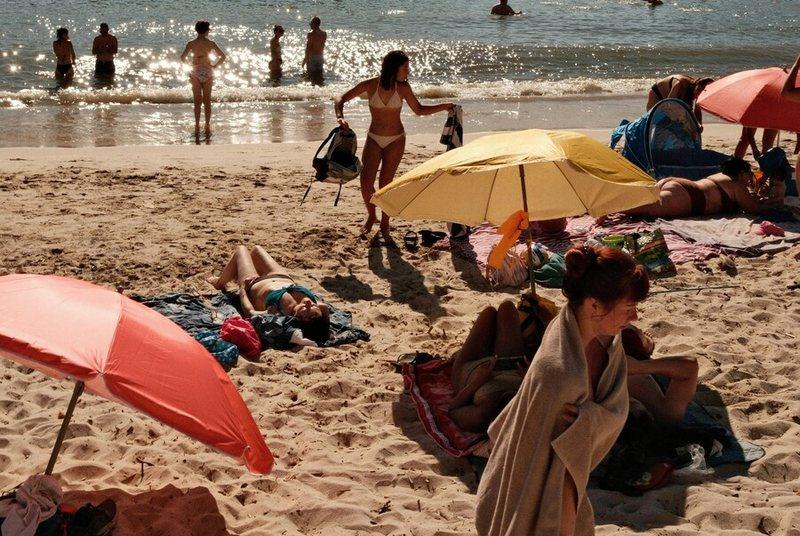
A day at the beach or a long walk in the summer sun may seem harmless. However, the more hours we spend exposed to high temperatures and the sun’s rays, the harder our body works to keep its normal temperature. And this affects us far more than we imagine.
The Body Tries to… Cool Down
The body’s first reaction is to activate its natural cooling mechanisms. Blood vessels widen to help spread heat more easily, and we sweat more to help lower body temperature. This process is completely normal, but it comes with a large loss of fluids and electrolytes, especially if we do not drink enough water.
The Risk of Dehydration Rises
The more we sweat, the more fluid our body loses. If these are not replaced in time, the first signs of dehydration may appear, such as headache, fatigue, dizziness, reduced concentration and intense thirst. In more severe cases, muscle pain or symptoms of heat exhaustion may appear.
The Heart Works Harder
High temperatures force the heart to pump more blood to the skin to release heat. This means the cardiovascular system comes under more strain, especially in older people or those who already have heart disease.
The Skin Takes the Biggest Hit
Ultraviolet (UV) radiation can cause sunburn, speed up skin aging, and contribute to the formation of wrinkles and fine lines. Repeated unprotected exposure also increases the risk of skin cancer. That is why wearing sunscreen, a hat and protective clothing is not a matter of appearance but of health.
You may feel more tired.
Have you ever noticed that after hours at the beach you feel exhausted, even if you have not done anything special? This happens because your body uses a lot of energy trying to maintain a constant temperature. Combined with dehydration and heat exposure, it is normal to feel more tired.
What If We Overdo It?
When body temperature rises beyond what the body can handle, there is a risk of heat exhaustion or even heatstroke, which is a medical emergency.
Symptoms such as severe dizziness, confusion, nausea, very high body temperature, difficulty breathing or loss of consciousness require immediate medical attention.
How to Protect Yourself
You do not need to avoid the sun, but enjoy it in moderation. Make sure to drink water regularly, even if you are not thirsty, reapply sunscreen often, take breaks in the shade, and avoid prolonged exposure during the hours when the sun is strongest, usually from 11:00 to 16:00./GSh
Our editorial team writes and publishes its articles with the help of AI, and every article is reviewed by our editors.









