







During pregnancy, all of us become much more aware of how we eat, of what we should eat and what we should not.
However, it is not always easy to sort foods and drinks into what you SHOULD and what you SHOULD NOT consume.
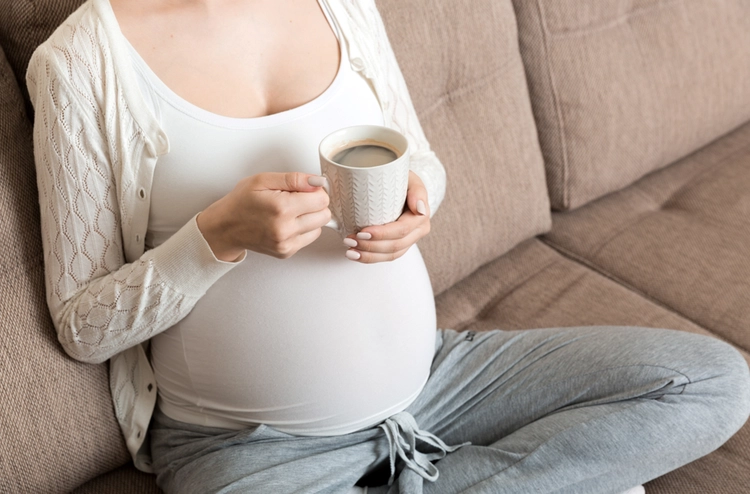
In this article, we will talk about coffee and its consumption during pregnancy.
The American College of Obstetricians and Gynecologists (ACOG) and other experts say it is safe for pregnant women to consume up to 200 milligrams of caffeine a day. This is equal to one 354-milligram cup of coffee.
A new study suggests that even a small amount of caffeine may affect the birth weight of a baby.
Women who consumed an average of 50 milligrams of caffeine a day, only a quarter of the recommended limit, gave birth to babies who were 65 grams lighter than those born to women who did not drink any caffeine at all, according to a report published in the “JAMA Network.”
The study followed more than 2,000 women at 12 clinical sites in the United States. The researchers asked the expectant mothers to estimate their caffeine intake and also used blood samples taken during the first trimester to determine their exact caffeine levels.
Most of the women in the study reported consuming 200 milligrams or less of caffeine a day. Only 0.7% of the women estimated that they drank more than the recommended daily amount.
Overall, pregnant women with the highest levels of caffeine in their blood gave birth to babies who were about 85 grams lighter, 4 millimeters shorter, 2.7 millimeters smaller in head circumference and about 3.3 millimeters smaller in thigh circumference than babies of women who had not drunk any coffee or had only a minimal amount. The researchers say their study shows that even small amounts of caffeine may affect a baby’s birth weight.
So what does this mean for you, mothers? Do you need to cut out coffee completely during pregnancy? Not necessarily.
Doctors base their recommendations as experts on data gathered over years, not just on a single study.
Birth weight is complex, and many factors can affect a baby’s weight. Ultimately, experts say more research is needed to fully understand how a mother’s diet and caffeine intake affect her child.
In the meantime, if you have any questions, consult your doctor or midwife. It is always best to discuss your concerns with the medical professionals who know you and your medical history.
Our editorial team writes and publishes its articles with the help of AI, and every article is reviewed by our editors.









