







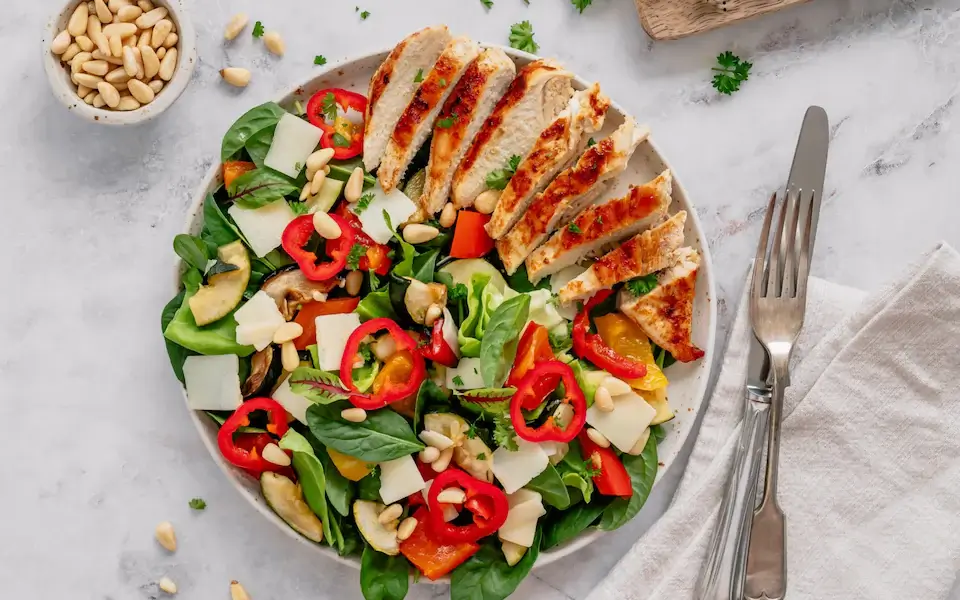
When it comes to losing weight, we face a range of diets, practices, habits and supplements that are offered to us as the “ideal” solution for shedding pounds.
Yet even after many attempts to lose a few kilograms, dietitians explain that there are many reasons why the scale won’t budge.
Besides food, sleep, stress and meal timing all play an important role.
According to Anna Groom, a dietitian and spokesperson for the British Dietetic Association, who spoke to The Telegraph, crash diets can be tempting for shedding the weight gained over the holidays, but their effects are often short-lived.
“While diets may produce results at first, they often become restrictive, leaving people anxious and increasingly frustrated. When it comes to weight loss, you need to pay attention to your mindset, your activity level and your lifestyle overall,” Groom says.
With this in mind, the mistakes people make while trying to lose weight are numerous, and they limit the results they hope to achieve.
According to Dr. Abby Hyams, medical director at Medicspot, eating too little is one of the most common mistakes, because when the calories consumed are very low, the body fights back.
“The brain slows down metabolism to save energy and increases your appetite. It is the body’s way of protecting you from perceived hunger,” Dr. Abby Hyams told The Telegraph.
According to her, weight loss will be slower, but you will have the energy to live your life and exercise.
Not getting enough protein is also unhelpful if the goal is weight loss.
Protein is a key word in diets. It is found naturally in meat, fish, eggs and dairy products, and according to experts, it increases feelings of fullness, lowers the hunger hormone and may even speed up metabolism.
“They’ll eat a salad with no protein, then wonder why they’re starving by 3 p.m.,” Hyams says.
On the other hand, not getting enough fiber is another mistake. According to Dr. Emily Leeming, a gut wellness expert, meals should include high amounts of fiber to prevent hunger between meals.
Dr. Leeming recommends replacing white bread, pasta and rice with wholegrain varieties.
Another “bad habit” is eating mindlessly, such as snacking on biscuits while watching something, or taking chips from a partner’s plate. All of these count as added calories, so according to experts, eating should be monitored and done mindfully.
Caution is also needed with the hidden calories in soft drinks, fruit juices and milky coffees, as well as hot chocolates, which can contain up to 500 calories, milky teas, or a glass of wine every night. These can certainly add hundreds of calories per week.
Losing weight with cardio is more effective than with weights. Cardio is considered a very good form of exercise for staying fit, for the body and for metabolic health.
“Building muscle is your secret weapon for long-term weight management,” says Dr. Hyams.
Neglecting your diet or eating plan on weekends is another enemy of weight loss.
You should also be careful about eating meals at the wrong times.
According to experts, many people focus on skipping breakfast, which can lead to overeating in the evening.
A study in JAMA Internal Medicine found that early time-restricted eating, between 7 a.m. and 3 p.m., led to 50% more weight loss than eating across 12 hours or more.
During the day, food portions should be kept modest, especially when it comes to grains, pasta or rice.
We must not forget the importance of sleep in losing weight.
Lack of sleep, especially less than six hours a night, directly causes weight gain by disrupting hunger hormones, raising cortisol and increasing cravings for high-calorie, sugary foods.
According to experts, fatigue reduces physical activity, which further encourages weight gain, while poor sleep also lowers glucose tolerance.
Neglecting your gut is another important mistake for weight loss. The gut is the “home” of trillions of microbes, which help break down food, support the gut lining and produce compounds that affect digestion, inflammation, metabolism and immune function.
Experts suggest eating fruits and vegetables, legumes, wholegrains and fermented foods such as yogurt and pickles.
“One of the biggest mistakes in dieting is believing that willpower is enough,” said Sandra Roycroft-Davis, founder of Slimpod and author of the book “The Weight’s Over – Take Back Control,” speaking to The Telegraph.
According to her, we often know what we should eat but can’t manage to do it, since up to 90% of what we eat is driven by the subconscious mind.
“Willpower is like a battery. It runs out. It’s not that you lack discipline, your brain is doing what it thinks you need. Diets fight your brain. Instead, you need to retrain it,” Roycroft-Davis says.
Our editorial team writes and publishes its articles with the help of AI, and every article is reviewed by our editors.









