







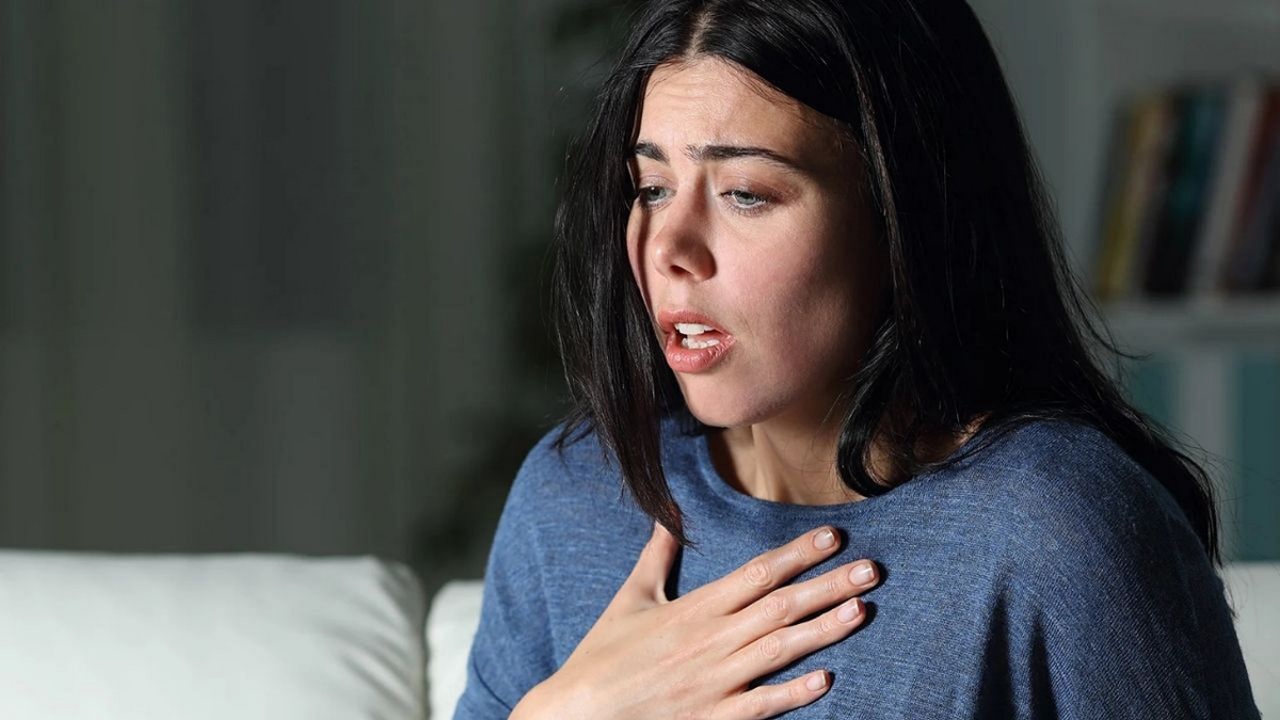
Negative feelings, stress, sadness or anxiety are undoubtedly something everyone experiences at certain times of the day or in life.
Everyday problems can cause major mood swings and reversals, so experiencing these feelings is common.
Stress or anxiety usually passes within a short time, and people who experience it do not pay it much attention.
Anxiety is considered one of the greatest enemies of health.
If the episodes are continuous and very frequent, this can turn into a kind of dependency.
As a result, it becomes a real problem for the spirit, the emotional inner self, the brain and the whole body.
In this article, AgroWeb.org looks specifically at the physical signs of anxiety and some of the consequences it causes.
How to Cope With the Physical Symptoms of Anxiety
Before we discuss coping with the physical symptoms of anxiety, it is worth identifying the most important ones and understanding how they appear.
The central nervous system is responsible for regulating heartbeat, breathing, urination and sexual functions.
This is the system we do not control consciously, and it reacts strongly when a person faces a physical danger.
In such cases, this system activates the response mechanism ‘Fight or Flight’, which is meant to protect us by helping us escape danger.
When a person is anxious, this mechanism is fully activated, and this is where the physical symptoms of anxiety appear:
Headaches
Dizziness
Difficulty breathing
Trembling
Stomach pain.
The era we live in is truly challenging and difficult for people’s mental health, and anxiety is just one of the problems appearing most often.
According to Harvard experts, awareness of the physical symptoms of anxiety and the ability to tell them apart from other problems is a step forward in coping with it.
If you suffer from anxiety, AgroWeb.org experts say the first step is calming your body in a place where you feel like yourself and at ease.
The second step is distraction, that is, shifting your attention away from the problem that worries you to something else: a book, a film, a new view, a walk, a conversation with someone, housework, or anything else that keeps your mind occupied.
Seek help
Don’t be afraid to ask for help, even from a psychologist.
You can do therapy through various communication platforms, talk about what troubles you and discover the source of your anxiety.
Communication is of primary importance in these difficult days.
Don’t give up
Many people overdo it by not following basic hygiene rules, under the mistaken belief that ‘it is hard not to touch your face.’
A person is capable of changing and adapting to any rule for his or her own good.
Don’t give up. Learn to wash your hands, stop yourself from touching your face, invest in taking care of yourself, and accept that some small things also depend on you.
Love yourself
Anxiety and fear are our enemies, which often arrive uninvited and push us to be overly critical of ourselves.
This is a very important moment to be kind to our inner world.
Don’t shut yourself off as a result of fear and pain.
Keep anxiety under control and don’t let it become the pandemic of your life.
Be brave. Terrible things happen all the time, but people can move forward thanks to love and hope, which, as the saying goes, never dies./AgroWeb.org
Our editorial team writes and publishes its articles with the help of AI, and every article is reviewed by our editors.









