







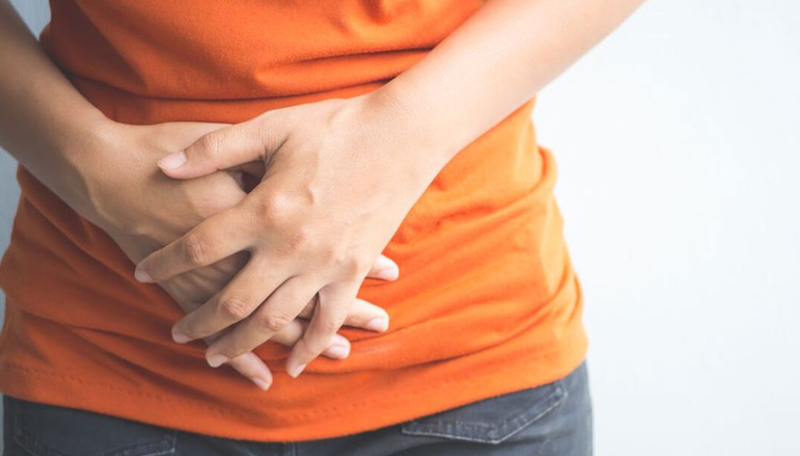
Bloating is one of the most common everyday complaints. Sometimes it appears after a large meal, sometimes for no obvious reason, causing discomfort, heaviness and often irritation. Many people consider it “normal,” but experts stress that the gut is a very sensitive system, influenced by diet, stress, sleep and our daily habits. In recent years, gut health has been linked not only to digestion but also to overall well-being, the immune system and even longevity. And while there is no “magic” solution that works for everyone, small changes in daily life can often noticeably reduce bloating, especially now that summer has arrived and we want to feel as light as possible. Habits that will help you “beat” bloating 1. Fiber is your ally A diet rich in fiber helps maintain proper gut function and increases the “good” bacteria in your gut. Foods such as oats, beans, oranges, sweet potatoes and vegetables can support digestion and improve how your gut works. However, balance is everything. The secret is a gradual increase and proper hydration throughout the day. 2. A short walk after eating helps more than you might think After a big meal, many people feel the urge to stretch out on the couch. But a short walk may actually be the better choice. According to research, even a gentle 10- to 15-minute walk after eating can significantly help reduce bloating. Movement naturally activates the digestive system and helps the gut work better. At the same time, it can ease the feeling of heaviness and discomfort that follows meals. 3. Chewing slowly makes a difference In our fast-paced lives, many people eat in a hurry in front of a screen or while standing. But digestion starts in the mouth. Research shows that proper chewing helps break down food and makes the whole digestive process easier. In addition, when we eat more slowly, we are less likely to eat more than we actually need. Experts even stress that eating fast can cause more air to enter the stomach, which contributes to bloating. 4. Do raw vegetables not agree with you? Vegetables are a basic element of a healthy diet. However, raw vegetables can be harder for some people to digest. People who experience frequent bloating often feel better when they choose cooked vegetables instead of raw salads. Cooking helps “soften” the fibers and makes food easier to digest. This does not mean you have to give up salads, but it is worth paying attention to how your body reacts and consulting your doctor before making any changes to your diet. 5. Your body likes routine Experts explain that eating large and irregular meals can strain the digestive system and cause discomfort. By contrast, smaller and more consistent meals throughout the day often help reduce bloating and improve digestion. Even regular meal times can help the body function better. When should bloating be taken seriously? Although occasional bloating is common, experts stress that when symptoms persist or are accompanied by severe pain or discomfort, it is important to get a medical evaluation.
Our editorial team writes and publishes its articles with the help of AI, and every article is reviewed by our editors.









