







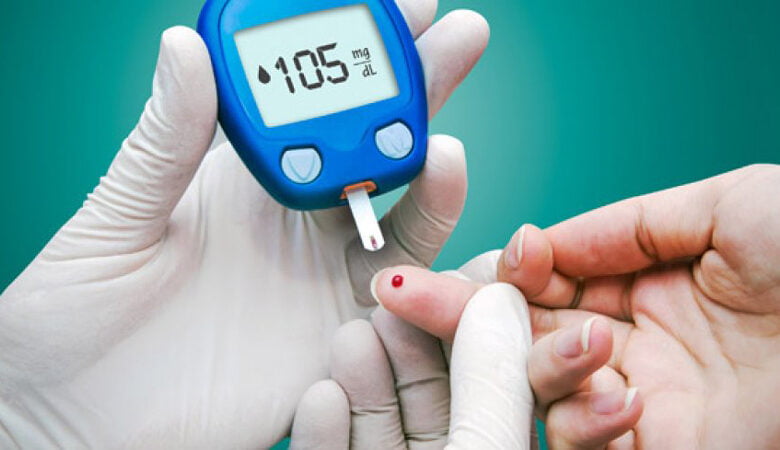
If you have ever experienced a sudden drop in energy in the afternoon or felt shaky and anxious without warning, this may be due to unstable blood sugar levels.
Keeping blood sugar steady is essential for the body to function optimally. According to EatingWell, managing it can improve energy, reduce food cravings and support long-term health.
Blood sugar, also known as glucose, is the body’s main source of energy. When we eat, our bodies break down carbohydrates into glucose and release it into the bloodstream, providing energy to our cells. However, for some people, this process does not go smoothly. Eating too much or certain types of carbohydrates can cause blood sugar levels to rise.
While occasional spikes in blood sugar are not cause for concern, chronically high levels increase the risk of insulin resistance, prediabetes and diabetes. “Low blood sugar, also known as hypoglycemia, can contribute to symptoms such as dizziness, confusion and weakness, affecting daily activities,” says registered dietitian Patricia Kolesa.
Fortunately, there are simple steps most of us can take to keep blood sugar levels steady throughout the day. Here, we have gathered some of the best tips from dietitians.
Eat regularly throughout the day
If you often skip meals, this can negatively affect your blood sugar. “Skipping meals can lead to spikes in blood sugar, which can make you feel tired, shaky or irritable,” says registered dietitian Lauren Manaker.
Instead of skipping breakfast or lunch, try to eat at regular intervals. If you do not have time for a full meal, choose a balanced snack such as crackers with cheese and whole grains, or yogurt with fruit and nuts. This helps your body maintain a steady supply of energy and reduces the risk of sudden changes in blood sugar levels.
Eat more soluble fiber
“While all sources of fiber are beneficial in the diet, soluble fiber found in foods like bulgur, beans and flaxseeds helps stabilize blood sugar,” explains Kolesa.
The secret to their effectiveness lies in the fact that soluble fiber dissolves in water and forms a gel-like substance. This thick gel slows the digestion and absorption of carbohydrates, resulting in a gentler and more gradual release of glucose into the bloodstream.
Choose minimally processed carbohydrates
The type of carbohydrates you eat can significantly affect blood sugar levels. Refined carbohydrates, found in white bread, white rice, pretzels, sweetened cereals and sugary drinks, can cause rapid spikes in blood sugar, especially when eaten on their own.
To avoid this, prioritize complex carbohydrates that are rich in fiber. Choose whole-grain bread, tortillas and pasta, bulgur, quinoa, brown rice, beans and lentils. A good rule is for at least half of your grains to be whole grains.
“Unlike refined grains, whole grains are minimally processed and contain higher amounts of fiber,” says Kolesa. “Fiber digests slowly, resulting in a gradual rise in blood sugar.”
Don’t forget about protein
Unlike carbohydrates, which begin to break down in the mouth, proteins are digested in the stomach and at a much slower pace. This makes them less likely to cause a rise in blood sugar. However, not all protein sources are created equal. Experts recommend lean proteins such as beans, edamame, tofu, fish, skinless poultry, eggs and low-fat dairy products.
Stay hydrated
“Hydration plays a key role in managing blood sugar, because water helps the kidneys flush excess sugar out through urine,” emphasizes Manaker. “When you are dehydrated, blood sugar can become more concentrated, leading to higher glucose levels.”
Signs of dehydration include dizziness, fatigue, intense thirst, infrequent urination and dark urine. If you find yourself forgetting to drink water, try setting a reminder alarm on your smartphone.
Limit your alcohol intake
“Alcohol can have unpredictable effects on blood sugar,” warns Manaker. “It can cause dangerously low levels, especially if consumed on an empty stomach, because it interferes with the liver’s ability to release glucose. On the other hand, sugary alcoholic drinks can cause high spikes.”
Research has also shown that even small amounts of alcohol can increase the risk of insulin resistance. This does not mean you have to give up alcohol completely, but if you are prone to blood sugar fluctuations, a low-sugar, non-alcoholic cocktail may be a better choice, as EatingWell notes.
Reduce added sugars
“Excessive consumption of added sugar, especially when not accompanied by fiber, protein and healthy fats, can cause rapid spikes in blood sugar, followed by drops that leave you tired and hungry,” says Manaker.
“Over time, frequent blood sugar spikes can weaken the body’s ability to regulate blood sugar, increasing the risk of insulin resistance and type 2 diabetes,” she adds. One of the best steps to stabilize blood sugar is to avoid sweets, desserts and sugary drinks. When you crave something sweet, fresh fruit is always a healthier choice.
Our editorial team writes and publishes its articles with the help of AI, and every article is reviewed by our editors.









