







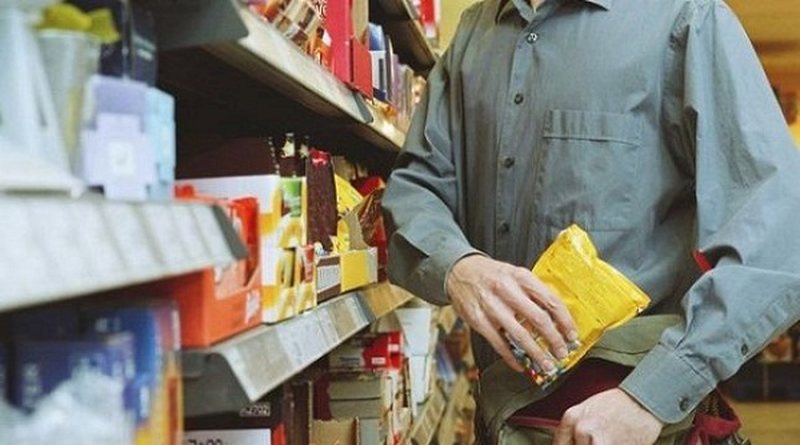
Kleptomania is the repeated inability to resist the urge to steal items that people generally do not really need and that usually have little value.
It is a rare but serious mental health disorder that can cause great emotional distress for the person affected and for those around them if it is not treated. It is characterized by problems with emotional or behavioral self-control.
Many people with kleptomania are afraid or ashamed to seek mental health treatment. Although there is no cure for kleptomania, treatment with medication or talk therapy (psychotherapy) can help end the cycle of compulsive stealing.
Symptoms of kleptomania may include:
▪ An inability to resist strong urges to steal items they do not need
▪ A rising sense of tension or anxiety that leads to stealing
▪ A feeling of pleasure or relief while stealing
▪ Terrible feelings of guilt, regret, self-loathing, shame or fear after stealing
▪ Returning urges and a repetition of the kleptomania cycle
People with kleptomania usually show these characteristics:
▪ Unlike typical shoplifters, people with kleptomania do not steal out of need, for personal gain, out of bravado, for revenge or to rebel. They steal simply because the urge is too strong to resist.
▪ Episodes of kleptomania generally happen spontaneously, usually without planning and without help or cooperation from another person, Mayo Clinic writes.
▪ Most people with kleptomania steal in public places, such as shops and supermarkets. Some steal from friends or acquaintances, for example at a party.
▪ Often the stolen items have no value to the person with kleptomania, who can afford to buy the same products themselves.
▪ Stolen items are usually stored and never used. They may also be given away to family or friends, or secretly returned to the place they were taken from.
▪ The urge to steal may come and go, or it may grow or ease in intensity over time.
When to see a doctor
If you cannot stop stealing, seek medical advice. Many people who may have kleptomania do not want to seek treatment because they fear being arrested or jailed. However, a mental health professional usually does not report thefts to the authorities.
If a loved one has kleptomania
If you suspect that a close friend or family member may have kleptomania, gently share your concerns with them. Keep in mind that kleptomania is a mental health condition, not a character flaw, so do not blame or accuse them.
Causes
The cause of kleptomania is not known. Some theories suggest that changes in the brain may be at the root of the condition. More research is needed to better understand these possible causes, but kleptomania may be linked to:
▪ Problems with a natural brain chemical (neurotransmitter) called serotonin. Serotonin helps regulate mood and emotions, Anabel cites.
▪ Addiction disorders. Stealing may trigger the release of dopamine (another neurotransmitter). Dopamine causes pleasurable feelings, and some people seek this rewarding feeling again and again.
▪ The brain’s opioid system. The urge is regulated by the brain’s opioid system. An imbalance in this system can make it harder to resist urges.
Our editorial team writes and publishes its articles with the help of AI, and every article is reviewed by our editors.









