







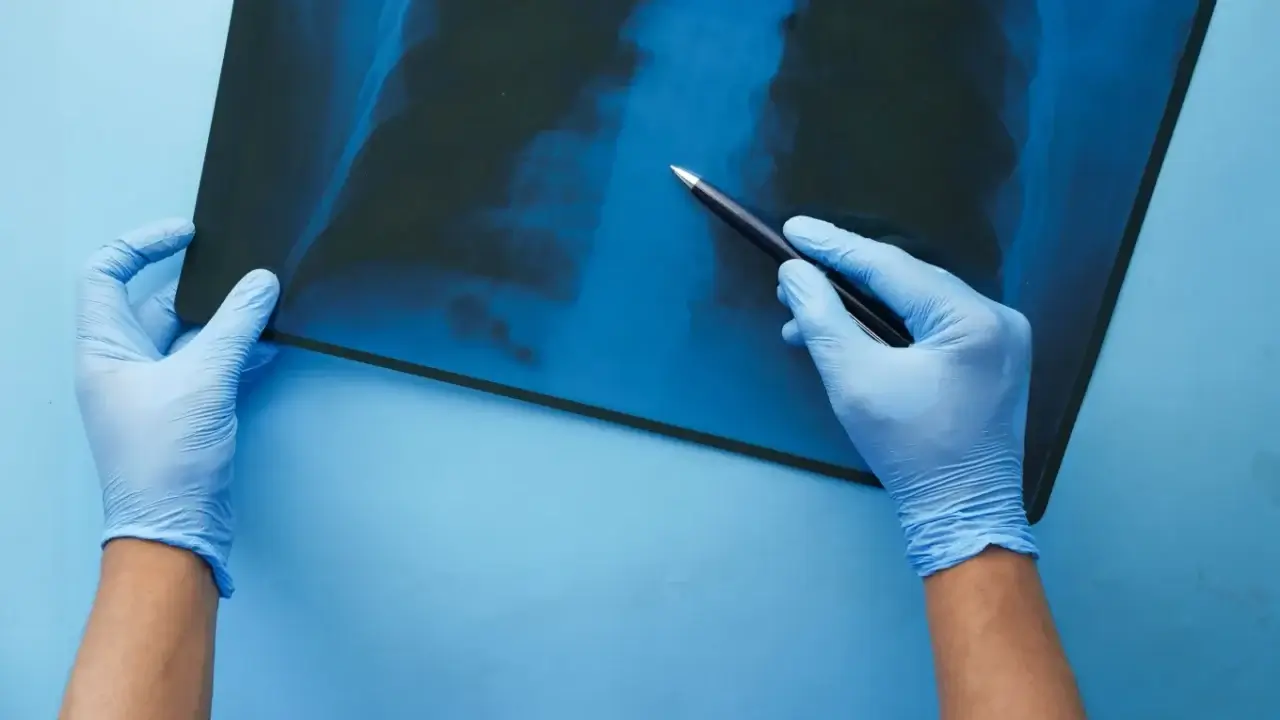
An annual low-dose lung scan can reduce the risk of dying from lung cancer by 20%, doctors say. Screening is especially important for people with a history of smoking, since the disease can develop for years without visible signs, as reported by FoxNews. Daniel J. Boffa, a thoracic surgeon at Yale University, describes screening as one of the best ways to improve survival chances. He has stressed that many cases could be detected earlier, before the disease progresses. Who should be screened? Under guidelines from the American Cancer Society, an annual low-dose CT scan is recommended for people aged 50 to 80 who currently smoke or have smoked in the past and have a history of one pack a day for 20 years or two packs a day for 10 years. Before the scan, people should discuss the benefits, limitations and possible risks of the test with their doctor. Smokers should also receive support to quit. What are the warning signs? In the early stages, lung cancer often causes no symptoms. When they do appear, they may include a persistent cough, shortness of breath, coughing up blood, unexplained weight loss, as well as persistent headaches or other neurological symptoms. However, these signs can also be caused by other health problems. If they appear, it is important to see a doctor. What about people who have never smoked? People who have never smoked can also be affected by lung cancer. According to the article, about one in seven cases occurs in people who have never smoked, but no general guidelines for routine screening have yet been established for this group. Boffa said that people with a direct family history of lung cancer, even if they do not smoke, should discuss with their doctor whether they need regular screening. Researchers are working to better determine which people who have never smoked could benefit from screening. What should you know about the scan? A low-dose CT scan takes only a few minutes. It can detect small nodules or changes in the lungs, but these do not necessarily mean cancer. Many are linked to infections, old scarring or inflammation. According to Boffa, more than 99% of the nodules detected are benign. The scan may also reveal other health problems, so the results should be discussed with a doctor to determine the next steps.
Our editorial team writes and publishes its articles with the help of AI, and every article is reviewed by our editors.









