







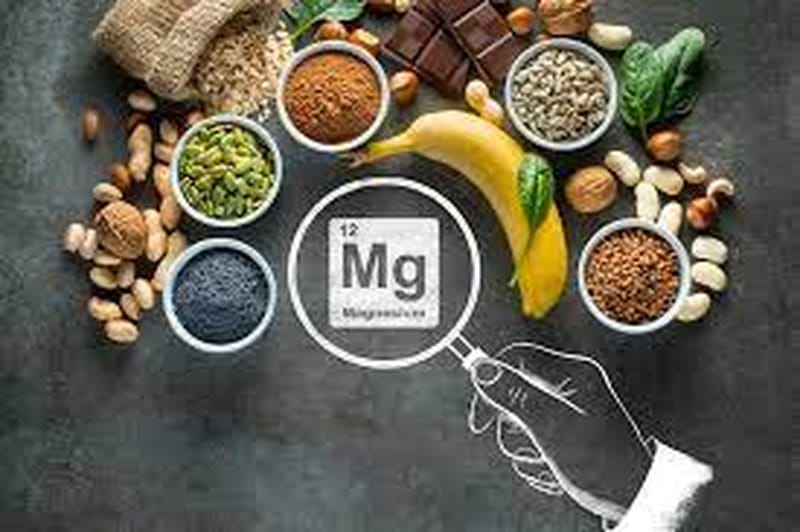
Of all minerals, magnesium is the most essential for the human body. It takes part in more than 300 physiological processes, from the nervous system and regulating blood pressure to protein synthesis and supporting the immune system. “Our bodies cannot produce enough of it, so to survive and function, we must get it from food,” explains dietitian Paul Kriegler. Data from the National Health and Nutrition Examination Survey show that half of adults in the United States do not reach the recommended dose, which is 400 to 420 milligrams per day. Like any nutrient, it is better to get it from food than from supplements. According to dietitians, a sufficient amount of magnesium in the body helps reduce chronic fatigue and promotes a good mood. Sleep and emotional state depend on many factors, but experts agree that eating more magnesium-rich foods helps protect against depression and anxiety and promotes deeper, more restful sleep. Although it has not been definitively proven that magnesium improves sleep quality, a study in BMC Complementary Medicine and Therapies stresses that it helps the body prepare for rest. Dietitian Serena Pratt explains that magnesium stimulates the production of a neurotransmitter that calms the nervous system and prepares it for sleep. It converts tryptophan into serotonin, which in turn is transformed into melatonin, the hormone responsible for signaling the body when it is ready for sleep. According to experts, supplements are not a permanent solution, but they are useful, so they are suggested together with vitamin D. A study in “Frontiers in Nutrition” found that one in four people in the United States is deficient in vitamin D, and magnesium plays a supporting role because it helps its absorption. A study conducted with 889 people found that taking magnesium supplements helped reduce inflammation and lower depressive symptoms. The better choice is to get magnesium through your diet rather than supplements, because this way you also get other essential nutrients. Here are five foods rich in magnesium in their natural form. Pumpkin seeds Pumpkin seeds top the list of magnesium-rich foods. With 156 milligrams per serving, they provide 37% of the recommended daily dose, more than any other food. You can eat pumpkin seeds in many forms, from salads to pasta, rice or yogurt. Chia seeds Chia seeds are also a rich source of magnesium. Two tablespoons of chia seeds provide a considerable amount of magnesium per day for the body. In addition to this mineral, they are rich in omega-3 fatty acids, which are vital for the brain and for fighting inflammation. Leafy green vegetables Leafy green vegetables come next on the list of magnesium-rich foods. They also contain fiber, which affects gut health. A diet rich in fiber lowers the risk of depression and promotes better sleep. The reason? Leafy greens are an excellent source of both magnesium and fiber. Lentils and beans Did you know that beans are good for the heart, mood and sleep? This group includes chickpeas and lentils, which are rich in magnesium, folate, fiber and iron. As low-glycemic-index foods, they help keep blood sugar levels stable, which helps prevent anxiety. Dark chocolate Dark chocolate contains a lot of magnesium, especially if it is 65% cocoa. Eating a small piece improves mood. In addition to magnesium, it stimulates the release of endorphins, the chemicals that make us feel good. It also contains serotonin, the neurotransmitter that regulates emotional balance.
Our editorial team writes and publishes its articles with the help of AI, and every article is reviewed by our editors.









