







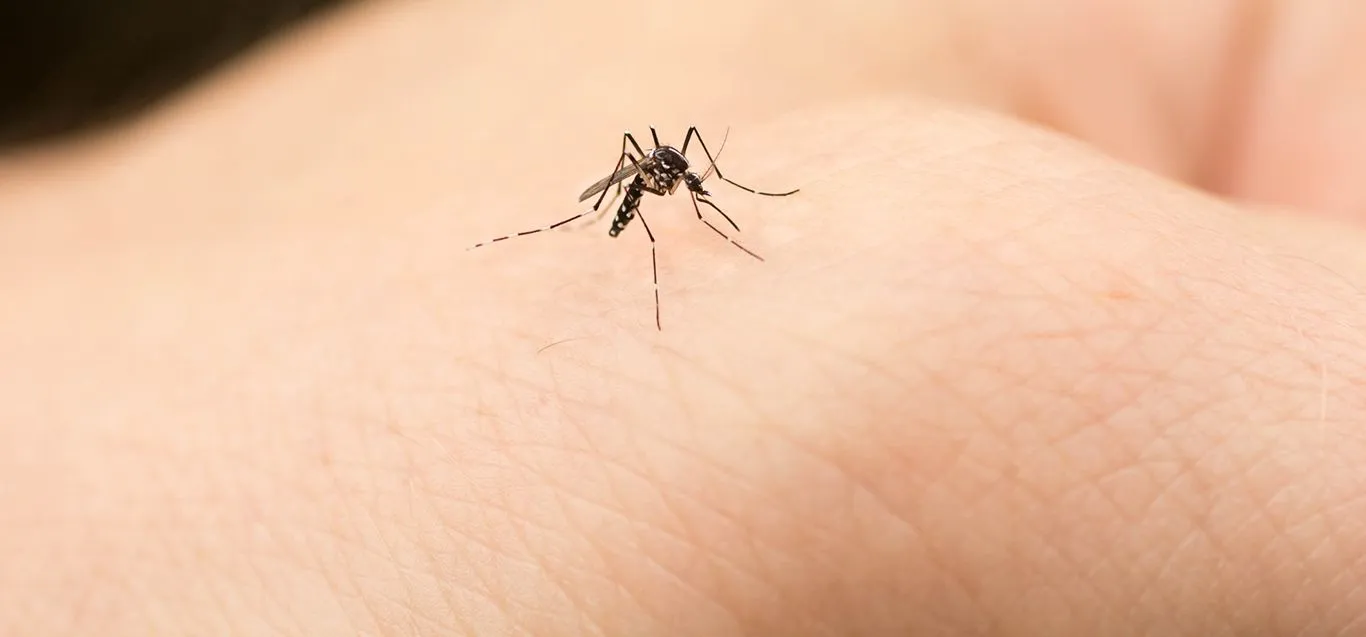
Biologists explain several ways to treat the skin after a mosquito bite
Medicine experts have said that using some body-cleansing products will not have much effect, because the scents that attract mosquitoes are natural compounds in the body that create our odor. It is a mix of molecules that humans produce, and that serves as the signal.
The mosquito brain signals this way: “There is warm-blood food here, and I have to go there.”
How much mosquitoes bite varies at different times of the day.
Biologists have explained that in one area of a city there may be more than 70 species of mosquitoes. Some are night biters, some prefer to bite at dawn and dusk, and others bite throughout the day. Unfortunately, biologists say there are always some mosquitoes looking for a bite, no matter what time of day it is.
To protect yourself from bites, experts say first, before spraying and going outside, consider wearing clothes that will keep insects away, such as long sleeves or light trousers. If you have a child under 2 months old, you can place mosquito netting or a light blanket over the stroller.
Most products sold in stores contain the chemical known as “DEET” or “picaridin.” Both are safe to use. Sprays also work against ticks, so if you live in an area with ticks, they are doubly useful. People sometimes worry about the mosquito spray ingredient known as “DEET,” but if you don’t spray when you go outside, you face a greater risk of insect bites. Try to stick to products approved on the U.S. EPA or CDC websites to get long-lasting, safe protection, medical experts advise.
The key rule for keeping mosquitoes away, experts say, is to remove any standing water around your home. Standing water can serve as a breeding site for them, so it should be removed immediately.
What is the best way to treat a mosquito bite?
Most mosquito bites will swell and itch for a day or two, then gradually improve. Try not to scratch the skin. To reduce swelling, apply ice to the bite. To dry the area a little, a mix of baking soda and water can help, or you can use a little antihistamine cream.
If the bite keeps getting larger, redder and hot after five to seven days, this may be a sign of a bacterial infection called “cellulitis,” and antibiotics may be needed to treat it. If you start to experience other symptoms, such as fever, headache or body aches, and you think they may be related to the mosquito bite, call your doctor.
Our editorial team writes and publishes its articles with the help of AI, and every article is reviewed by our editors.









