







Many foods are rich in nutrients and contribute significantly to maintaining our health.
However, there is no single food that can be called “the healthiest” for everyone, since nutritional needs vary from person to person.
What may be very beneficial for one person may not have the same effect on another. Still, some foods clearly stand out for their high nutritional content and their positive impact on the body.
A study conducted by researcher Jennifer Di Noia analyzed 17 essential nutrients across a wide range of foods. The researcher compared these nutrients against calorie content to determine which foods provide the most value for the fewest calories.
The results of the study were surprising: only one food met 100% of the daily needs for all 17 nutrients per 100 calories consumed. That food is watercress.
Lettuce is a leafy green vegetable with a slightly spicy and bitter taste. It pairs very well with foods such as potatoes, eggs and salads.
Besides its rich content of vitamins and minerals, lettuce is very low in calories, which makes it especially useful for a balanced diet. If someone wants to grow this plant at home, they should keep in mind that it needs a lot of moisture.
In second place is Chinese cabbage, a crunchy vegetable rich in vitamin C, plant-based protein and important amino acids.
A 100-gram serving covers one quarter of the daily requirement for vitamin C. In third place is Swiss chard, followed by beet greens and then spinach, confirming that leafy green vegetables are among the best for health.
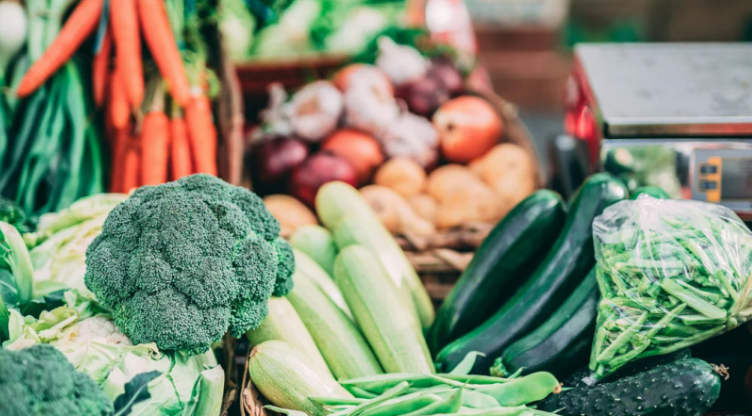
The list also includes other vegetables such as radicchio, lettuce, parsley, romaine lettuce, green cabbage, red bell pepper, green onions, broccoli and squash. All of these, with their different colors and flavors, are rich in fiber, vitamins, minerals and antioxidant compounds that help maintain health.
Among fruits, lemon stands out the most, ranking 28th. Although no fruit made it into the top ten, that does not mean fruits are not healthy. The list was compiled using very strict criteria, so only seven fruits made it onto it. Strawberries, for example, despite their high water content, are rich in vitamin C and low in calories and fat. Oranges, pink and white grapefruit, and blueberries were also ranked among the healthiest fruits because of their high levels of vitamins and antioxidant properties.
For a healthy diet, however, choosing a few ‘superfoods’ is not enough. What matters is a balanced approach that includes five servings of fruits and vegetables a day, good sources of unsaturated fats such as olive oil, nuts and avocados, and complex carbohydrates from whole grain products. Fish also plays an important role in the diet, thanks to omega-3 fatty acids that support the heart and brain.
A group of foods that is often overlooked but is essential especially for vegetarians and vegans is legumes. Beans, lentils, peas and soy products are rich sources of protein, fiber, iron and B-group vitamins, offering a healthy alternative for those who do not consume animal products.
Our editorial team writes and publishes its articles with the help of AI, and every article is reviewed by our editors.









