







As we age, bone health becomes increasingly important because the body gradually begins to lose bone mass. This makes older people more vulnerable to fractures, especially in the hips, spine and joints. Calcium and vitamin D play an essential role in maintaining bone strength and normal muscle function, which is why they are especially important after the age of 50.
Calcium is the main mineral that builds and strengthens bones, while vitamin D helps the body absorb calcium from food and use it efficiently. Without enough vitamin D, the body cannot absorb calcium properly even when the diet contains it, making it less beneficial for bone health.
Bone mass loss accelerates over the years. Women lose bone density faster during and after menopause, while men typically begin to experience this process after the age of 50. This gradual decline significantly increases the risk of osteoporosis and fractures, which can seriously affect the independence and quality of life of older people.
Experts recommend that women over 51 and men over 71 get about 1,200 milligrams of calcium per day, while men aged 51 to 70 need about 1,000 milligrams. For vitamin D, adults over 50 need about 15 micrograms per day, while after the age of 70 a higher amount, about 20 micrograms per day, is recommended.
Calcium can easily be obtained from foods such as milk, yogurt, cheese and other dairy products, while vitamin D is found in fatty fish, eggs and fortified foods. The body also produces vitamin D naturally through sun exposure, but in older people this process is often less efficient, especially during the winter months.
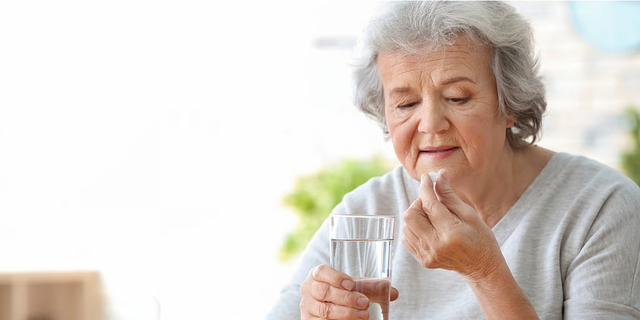
Not all older people need supplements. Many get enough calcium through their daily diet. However, if food does not cover daily needs, doctors may recommend supplements in moderate doses. Vitamin D is also often taken as a supplement, especially in areas where sun exposure is limited.
However, experts warn that taking too many supplements is not always beneficial. Very high amounts of calcium can increase the risk of kidney stones, while high doses of vitamin D have not shown additional benefits and, in some cases, may be linked to a higher risk of falls.
In addition to food and supplements, physical activity plays a very important role in maintaining bone health. Weight-bearing and muscle-strengthening exercises help preserve bone density and improve balance, reducing the risk of falls among older people.
Our editorial team writes and publishes its articles with the help of AI, and every article is reviewed by our editors.









