







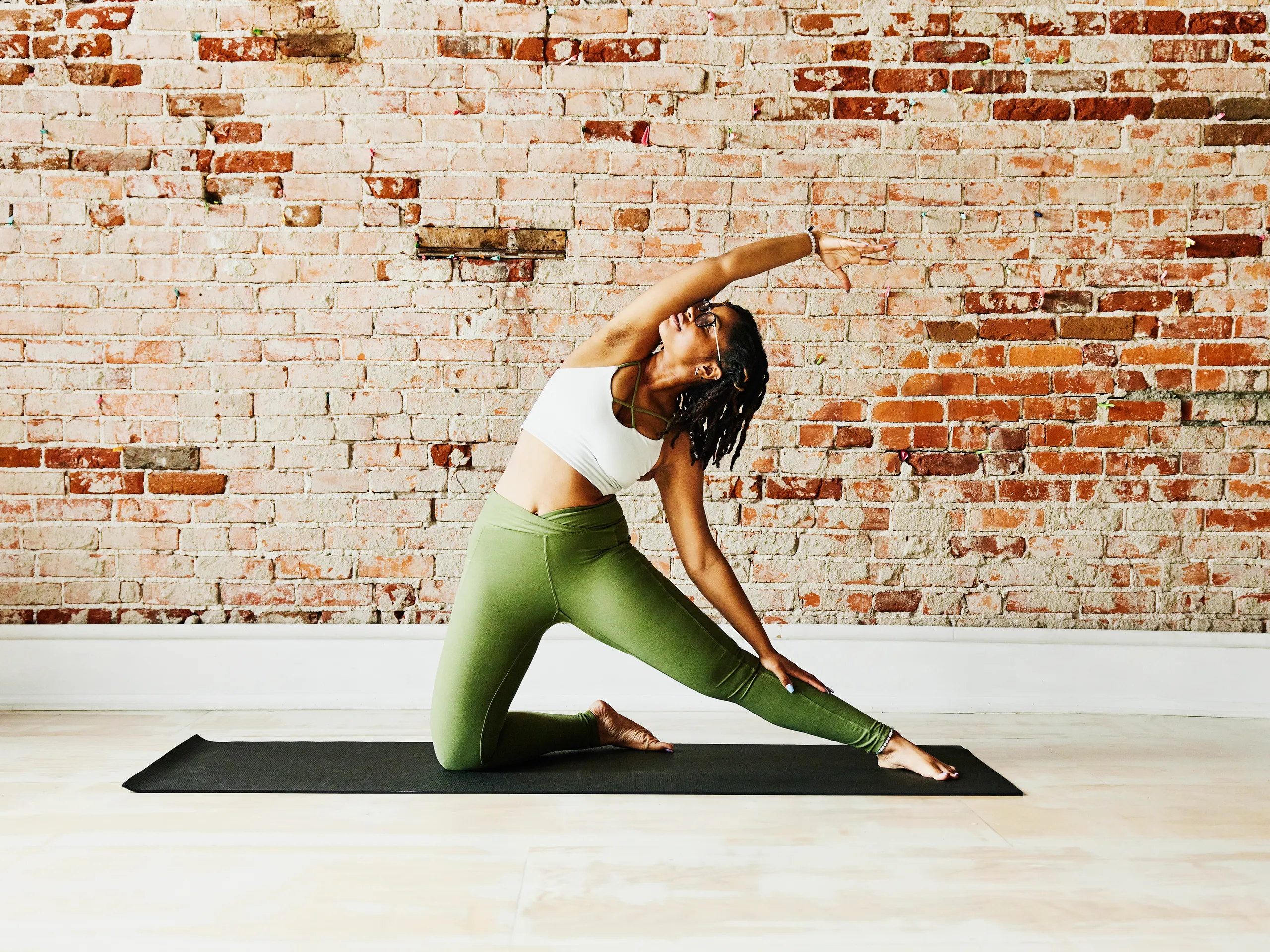
Pilates is a body conditioning method, created in the early 20th century. Exercises performed calmly and precisely coordinate movement and breathing, working the smallest and deepest stabilizing muscles of the body just as much as the main ones. Often, even movements that seem simple can be very challenging and extremely effective when done correctly. Here are the benefits your body gains from this way of exercising. Builds strength Your torso is precisely the place from which all movement originates, and Pilates aims to strengthen it by working every muscle. All the muscles around the torso, when strengthened, support and stabilize the body. Strengthening the core is a key factor in reducing pain in the back, hips and pelvis. Improves posture Pilates focuses on full extension of the body, on the ideal range of motion of the joints, and on strengthening and balancing all the muscles that hold your posture in the right way. Reduces back pain The deep abdominal muscles work like a support to lift and hold the organs, and to protect and stabilize the spine. These are precisely the muscles this exercise method aims to work. Prevents injuries Muscles that are loose and weak, or those that are too tight and stiff, can make the body more prone to injury. Pilates focuses on developing dynamic strength, which means you will be better able to support and stabilize your joints during movement. Research has suggested that this is an effective method for reducing the risk of sports injuries, and it is also recommended for athletes. Boosts energy The exercises also focus on breathing to improve cardiorespiratory capacity. This stimulates hormones, oxygen flow and blood circulation. Pilates achieves all of these, and because the exercises are performed at a slow pace, it rarely leaves you feeling tired. Instead, it gives you more energy. Strengthens the connection between mind and body Pilates also helps strengthen the mind-body connection. This increases your awareness of comfort, pain, emotions and the environment around you. In this way, the body is better able to respond to stimuli, which can prevent injuries and falls. Awareness can also help you prevent overeating, since you will be more in tune with your body’s hunger signals. Reduces stress Focusing on performing the exercises and using breathing can lower cortisol and reduce stress over time. It improves flexibility and mobility. Flexibility is the amount of passive stretch in a muscle. Mobility is the range of motion in a joint. Good mobility requires flexibility but also strength. To optimize mobility you need a balance between strength and flexibility. Most Pilates exercises combine both, which improves strength, flexibility and mobility. Improves balance Balance is important at every age and is necessary for everyday activities that involve coordination, such as walking. Pilates improves balance and walking not only by strengthening the core, but also through the work it does on all the muscles of the body. Boosts your immunity Research shows it may also help improve the functioning of the immune system, especially in older adults. This is mainly due to improved blood circulation, which affects your immune system. Improves cognitive function According to some studies, this way of exercising helps develop new neurons, improve blood circulation in the brain, strengthen neurotransmitter connections, and extend the lifespan of neurons responsible for learning, memory and thinking. Strengthens your bones A passive lifestyle is harmful to health and bone density. Strong bone density helps prevent osteoporosis and osteoarthritis, and can affect people of all ages. Studies have shown that Pilates is effective in improving quality of life, relieving pain and increasing bone density. Improves mood Exercising in any form helps the body release endorphins. This is followed by a reduction in anxiety, fatigue and depressive symptoms.
Our editorial team writes and publishes its articles with the help of AI, and every article is reviewed by our editors.









