




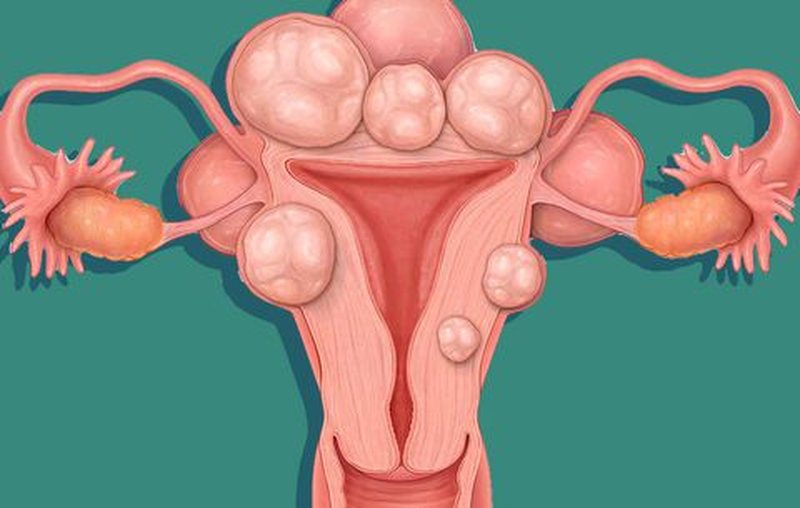
Uterine fibroids are benign (non-cancerous) growths that develop in the wall of the uterus and are very common in women of reproductive age. They can be as small as a pea or grow much larger, causing a range of symptoms. They are often discovered by chance during a gynecological checkup, since in many cases they cause no problems. When symptoms do appear, they may include heavy bleeding during the menstrual cycle, lower abdominal pain, a feeling of pressure in the pelvis or frequent urination.
It is important to know that the exact cause of fibroids is not fully understood, but hormones such as estrogen and progesterone play a role in their growth. Genetic factors, body weight and age may also have an influence. Diagnosis is usually made through a gynecological examination and an ultrasound. Treatment depends on the size of the fibroids, the symptoms and the patient’s age. In some cases periodic monitoring is enough, while in others medication or surgery may be needed.
To take care of your health, regular gynecological checkups, a healthy weight and an active lifestyle are recommended. A balanced diet rich in fruit, vegetables and fiber can help maintain hormonal balance. Any change in the menstrual cycle or unusual pain should also be discussed with a doctor. Awareness and early checkups are the key to managing uterine fibroids safely and effectively.
Our editorial team writes and publishes its articles with the help of AI, and every article is reviewed by our editors.