







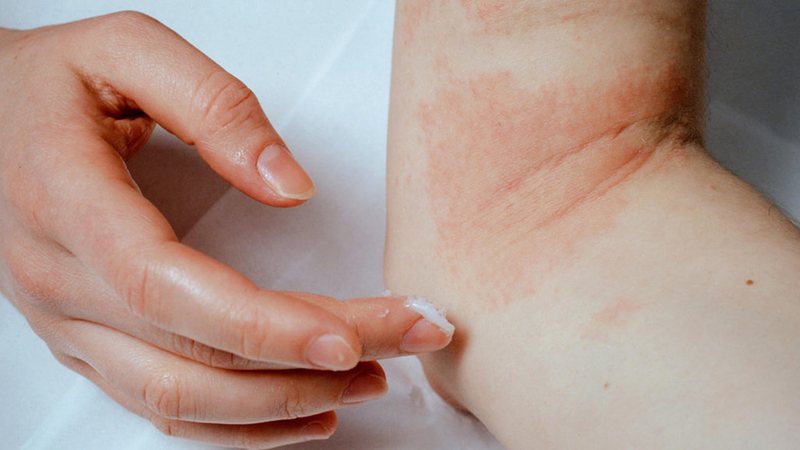
Eczema, also known as dermatitis, is a common inflammatory condition of the skin.
It often comes with visible signs on the skin, redness or itching that become a real problem for the person experiencing them. Eczema looks different for each person, but you may notice patches of dry, scaly skin, small raised bumps and severe itching.
It can affect a few small areas or spread across the whole body. It is a condition closely linked to weather, since the skin is one of the first parts of the body to be affected by temperature. Now that we are at the peak of extreme temperatures, if you suffer from eczema you will almost certainly notice these skin problems more often.
How does the cold affect eczema?
There are several types of eczema, including allergic dermatitis and irritant dermatitis caused by contact with something that irritates the skin. In winter, people often move from warm indoor spaces into the cold and back again. These temperature changes feel extreme to the skin, and its reaction is immediate, so the skin begins to show or worsen its condition. As if that were not enough, some people experience worse eczema symptoms because of dust in their surroundings.
In winter, enclosed spaces that are poorly ventilated can become a problem. Another factor is a lack of vitamin D during the winter months, which some studies have linked to worsening eczema. The flu, infections and various inflammations are also linked to dermatitis, because they disturb the immune system in general.
What should you do?
Even though we are in winter and the cold can easily worsen your skin condition, you should also be careful about overheating. Avoid drying out your skin and the air with indoor heaters. Make sure your home is not overheated, and buy devices that keep humidity at the right levels. When you shower, keep in mind that the water should be lukewarm rather than hot, and avoid very heavy clothing.
This is because the body sweats, and you may experience irritation and a worsening of the condition.
The National Eczema Association in the United States advises wearing several layers of clothing, making sure the materials are cotton or silk.
Our editorial team writes and publishes its articles with the help of AI, and every article is reviewed by our editors.









