







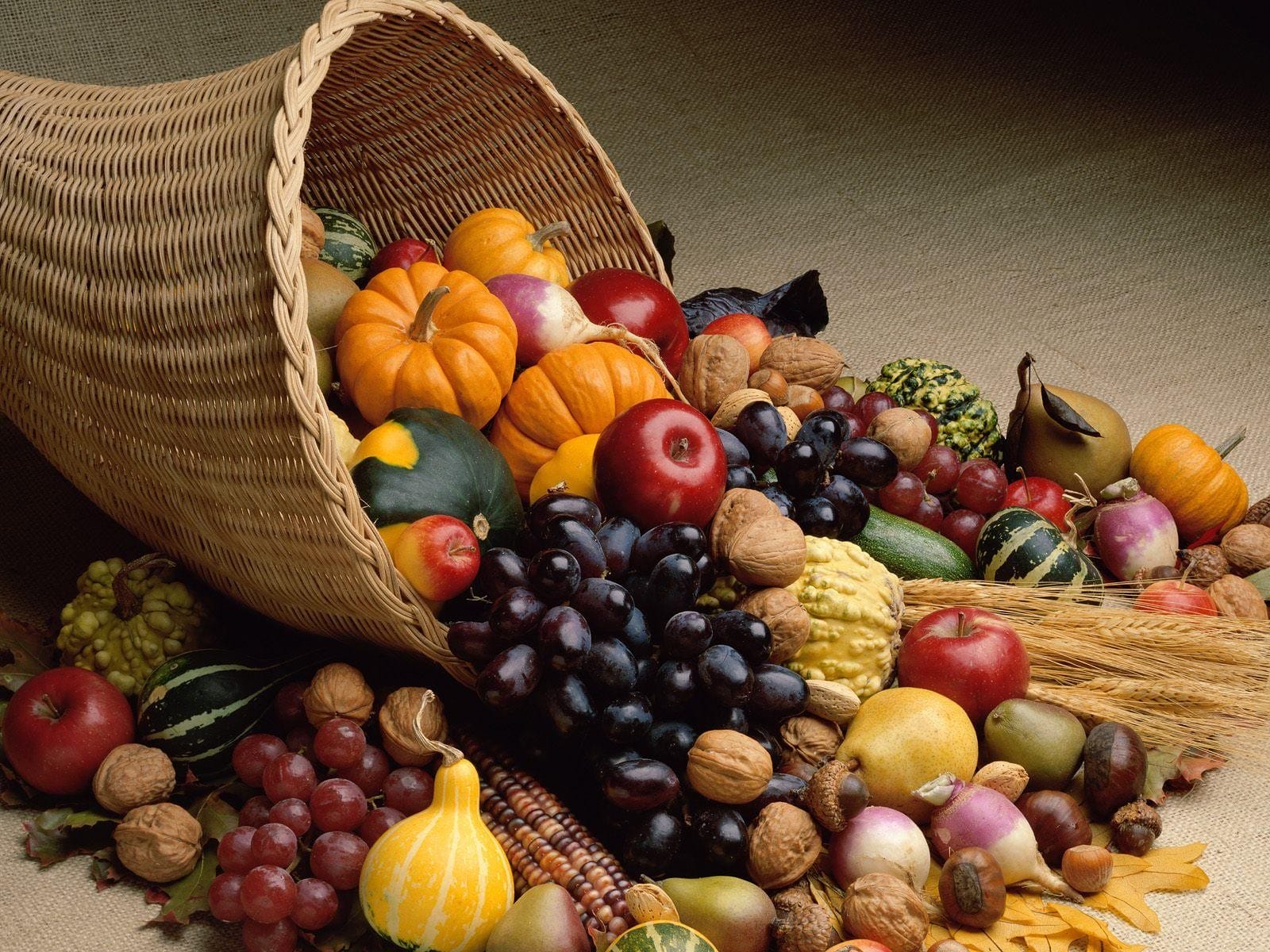
Ginger is probably high on your list of foods linked to fighting inflammation. But in autumn, you have a whole garden of vegetables at your disposal. Broccoli, sweet potatoes, beets and pumpkin are seasonal choices that supply you with antioxidants, vitamins, minerals and fiber.
“Autumn is an excellent time to focus on anti-inflammatory foods, since the season offers an abundance of nutrient-rich vegetables that are naturally high in fiber, vitamins and minerals,” says registered dietitian nutritionist Sharniquia White, in Eating Well. So, if you are looking for ways to make your autumn diet more nutrient-rich, start with these four vegetables.
1. Broccoli
You can find it on supermarket shelves almost all year round, but broccoli is in fact an autumn vegetable, usually harvested from October. Its key compound is sulforaphane, a plant compound that has been at the center of research on inflammation.
“Broccoli is an autumn cruciferous vegetable that provides the important plant compound sulforaphane,” explains nutritionist Sheri Gaw. According to a 2025 review she cites, sulforaphane reduces inflammatory pathways, supporting metabolic, heart and brain health.
You can roast it with a little olive oil, steam it as a side dish, or add it to a stir-fry with other vegetables and a protein source. It also goes well raw in salads and vegetable dishes, or cooked into soups.
2. Sweet potatoes
From orange varieties to purple ones, sweet potatoes add color to the autumn table while offering a range of antioxidants. Data show that the antioxidants they contain may help block proteins that control the body’s inflammatory response.
At the same time, sweet potatoes provide fiber and carotenoids, which the body converts into vitamin A, and they also contain vitamin C and potassium. These nutrients are important for immune function.
For an easy autumn meal, you can roast them with “warm” spices, mash them or slice them into wedges and use them as a base instead of bread.
3. Beets
Beets are one of those foods that people either love or hate. Their distinctive earthy aroma and taste can be divisive, but their bright color is evidence of important plant compounds.
Beets are rich in betalains, pigments that give them their characteristic red-purple color. “These pigments have antioxidant and anti-inflammatory potential,” says White. According to data cited in the article, betalains may help reduce oxidative stress, prevent DNA damage and lower LDL cholesterol.
If their earthy flavor is not quite to your liking, try roasting them in the oven. Roasting brings out their natural sweetness. You can also add them to bowls of grains, use them in sauces or blend them into smoothies for a wonderful pink color.
4. Pumpkin
Pumpkin is associated with autumn like few other foods. And while pumpkin desserts and very sweet drinks may not be the strongest choice for an anti-inflammatory diet, pumpkin itself is packed with nutrients. “Pumpkin is a festive autumn vegetable, rich in carotene, polyphenols, fiber and some vitamins and minerals,” notes Gaw.
Data show that the anti-inflammatory compounds in pumpkin may have protective effects against cancer, diabetes and harmful bacteria.
And here your choices are many: from muffins, pancakes, smoothies and oatmeal to pasta, soups and risotto. In other words, you can include it in both your sweet and savory menus.
Originally published in Albanian on Reporteri.net. We use AI to help translate and publish our articles, and every article is reviewed by our editors.








