







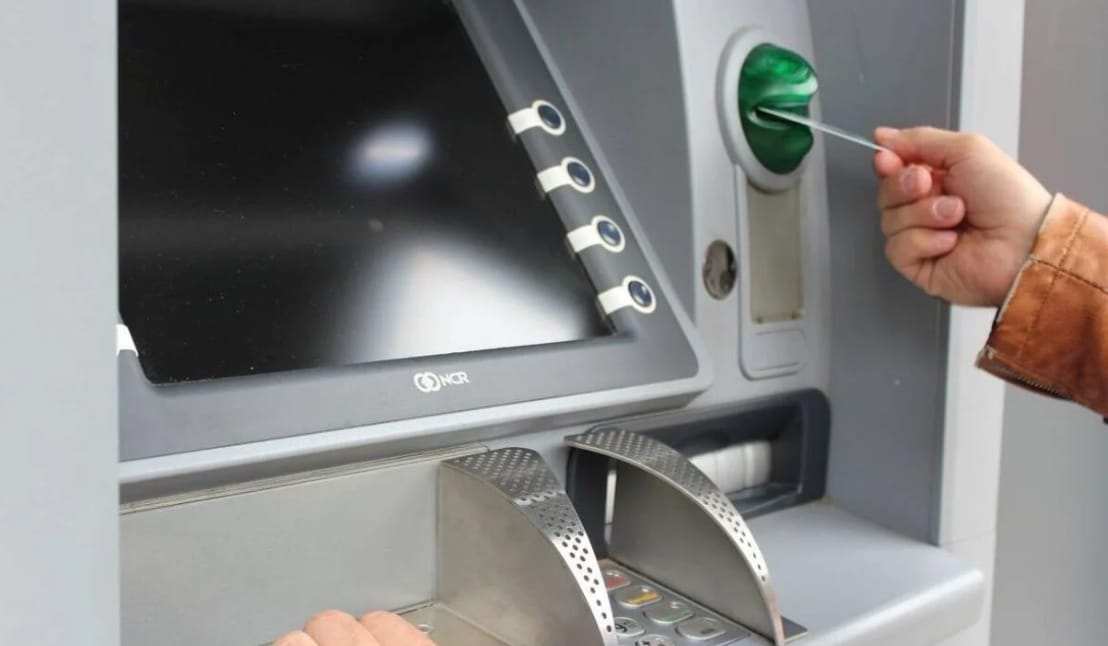
The PIN code should be the first line of defense for our bank cards, mobile phones and personal data. However, the four digits we use every day can pose a serious security risk. Many people choose combinations that are easy to remember, but even easier to guess.
When we choose a PIN, we usually think about how not to forget it. That is why we often pick sequential numbers, repeated digits or dates that have a special meaning. However, such combinations are among the first targets of people who try to get hold of other people’s data or money.
A four-digit PIN can have 10,000 different combinations, from 0000 to 9999. Although this sounds like a large number, the problem is that people do not choose all combinations equally often.
These are the PIN codes that should be avoided
One of the best-known studies on this topic was carried out by information security expert Nick Barry, who in 2012 analyzed about 3.4 million four-digit passwords found in previously published databases.
The results showed that some combinations are far more popular than others. PIN 1234 appeared in up to 10.7 percent of the cases analyzed.
In second place was the combination 1111, with about six percent, while third place went to 0000. Other frequently used codes included 1212, 7777, 4444, 2222 and 4321.
It is particularly striking that just the 20 most popular combinations accounted for more than a quarter of all the four-digit passwords analyzed.
It is important to note that the research did not cover bank card PINs exclusively, but four-digit passwords from various sources. Therefore, these percentages cannot be automatically applied to users of today’s banks. However, the results clearly show how often people choose predictable numbers.
One of the biggest mistakes is using a date of birth
Beyond simple number sequences, combinations with personal meaning are also problematic.
A date of birth, a year of birth, a wedding anniversary or a child’s birthday seems like the ideal PIN to many people, because they are almost never forgotten.
However, such information may also be available to other people. Social media, public announcements, birthday cards and photos sometimes reveal enough details for someone to guess which numbers you use.
The same applies to combinations that form simple patterns on the keypad. Codes such as 2580 or 1470 may seem less obvious than 1234, but they too have a recognizable shape.
How to choose a safer PIN?
The best choice is a combination of numbers that has no obvious sequence, does not repeat a simple pattern and is not linked to your personal information.
To unlock a mobile phone, if the device allows it, it is helpful to choose a longer PIN of at least six digits. For bank cards, where a four-digit PIN is often used, it is especially important to avoid predictable combinations, Ora News reported, citing KosovaPress.
It is also not recommended to use the same PIN for multiple devices or cards, or to write it down somewhere others can easily find it.
However, a simple PIN does not automatically mean that someone will be able to access your account. Modern banking systems and phones have additional protective mechanisms, including limits on the number of incorrect attempts and temporary blocking of access.
Originally published in Albanian on Reporteri.net. We use AI to help translate and publish our articles, and every article is reviewed by our editors.








