







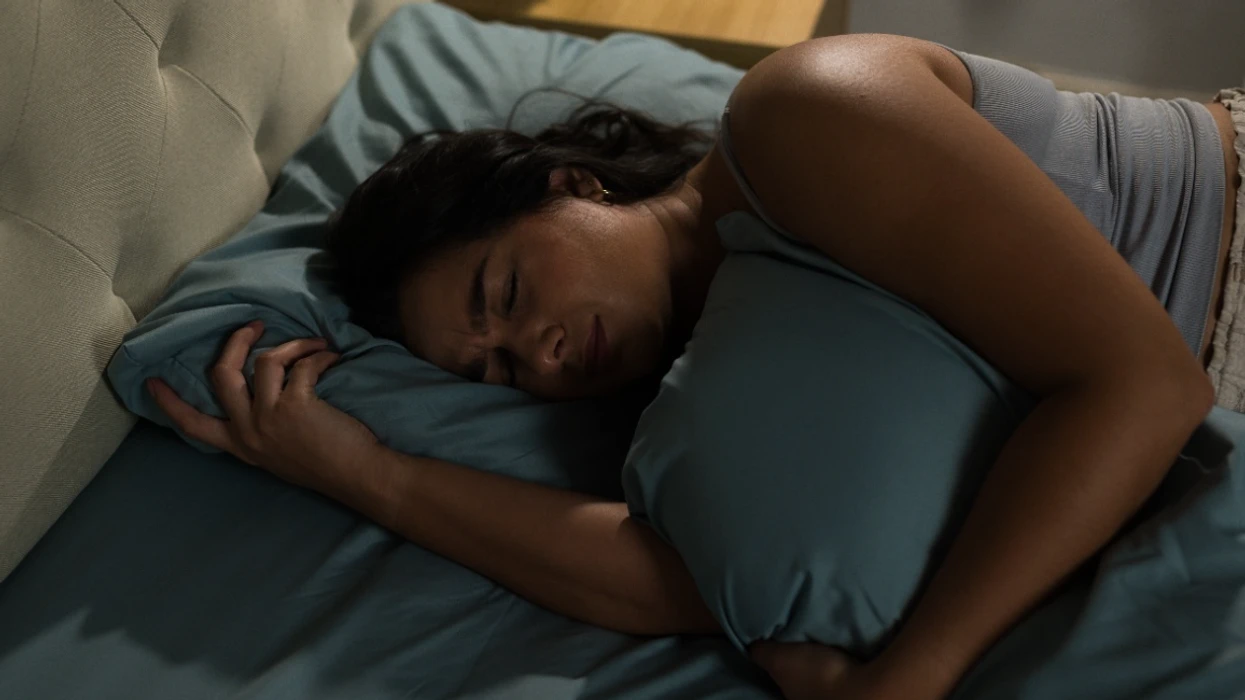
Most people sleep in the same position for years, often without considering whether it suits their body.
However, sleep experts stress that the way we position ourselves during the night can affect spinal health, neck and back pain, snoring, breathing and heartburn.
According to specialists, there is no ideal position for everyone, as the right choice depends on each person’s needs and health condition.
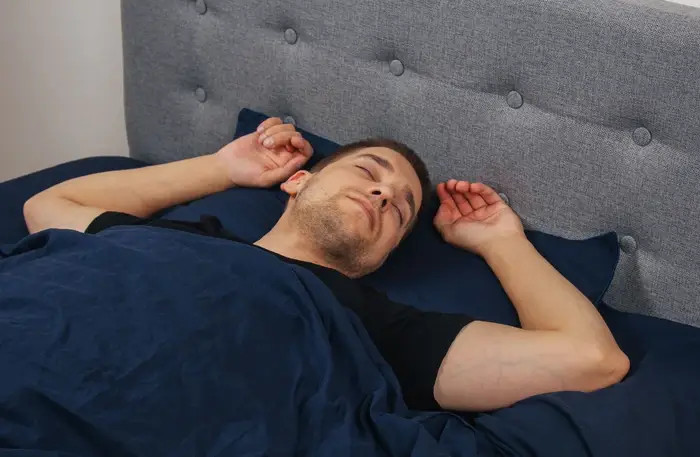
If you wake up feeling rested, without pain and without breathing problems, there is no reason to change the way you sleep.
Sleeping on your back
This position can be beneficial for people who suffer from neck and back pain, as it helps distribute body weight more evenly and reduces pressure on the spine.
Experts recommend placing a pillow under the knees and using a pillow that properly supports the neck.
However, sleeping on your back is not recommended for people who snore, suffer from sleep apnea or reflux, or for pregnant women.
Sleeping on one side
Sleeping on one side is one of the most common positions and is especially helpful for people who snore or have sleep apnea, as it helps keep the airways more open.
For those with lower back pain, it is recommended to keep the knees slightly bent and place a thin pillow between them.
Meanwhile, people with shoulder pain should switch sides from time to time to avoid constant pressure on the same shoulder.
Sleeping on the left side
This position is considered especially suitable for people who suffer from heartburn and gastroesophageal reflux, as it helps prevent stomach acid from flowing back into the esophagus.
Sleeping on the left side with the knees slightly bent is also recommended for pregnant women, as it improves blood circulation and reduces pressure on the lower back.
Sleeping on the stomach
Sleeping on the stomach is considered the least recommended position by specialists, as it forces the neck to stay turned to the side and creates tension in the neck, back and shoulders.
People who find it hard to sleep in another position are advised to use a very thin pillow or to sleep without one.
A thin pillow under the hips can also help reduce pressure on the spine.
Finally, experts stress that we should not force our body to sleep in a certain position.
It is completely normal to change position during the night, as the body usually finds the most comfortable way to rest on its own.
Originally published in Albanian on Reporteri.net. Translated from Albanian with the help of AI.








