







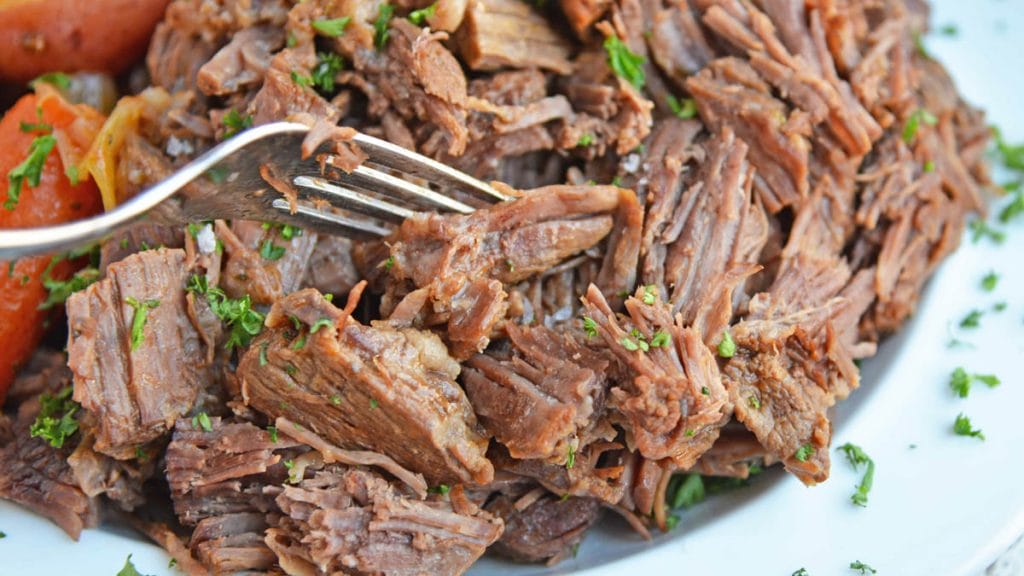
Protein is an important part of a balanced diet, and meat, especially red meat, is one of its sources. Still, eating too much red meat can be linked to several health effects, especially when it takes up a large share of the diet and leaves less room for vegetables, fruit, grains and legumes. Here are some of the signs and problems that can appear when people eat more meat than they should. Fatigue and drowsiness An unbalanced diet in which meat makes up most of the meals can affect how you feel during the day. If meat is eaten alongside a lack of other important foods, fatigue, drowsiness or a feeling of heaviness after meals may appear. Effects on skin and hair Red meat is not a significant source of vitamin C. When the diet is low in fruit and vegetables, people may not get the amount of this vitamin they need. Vitamin C is important for collagen production, which contributes to the health of the skin, hair and nails. For this reason, it is good to pair meat with a variety of vegetables and fruits. Constipation Meat contains no fiber. If eating it replaces foods rich in fiber, such as vegetables, fruit, whole grains and legumes, digestive problems and constipation may appear. A varied diet helps provide the fiber needed for the digestive system to work normally. May affect cholesterol Some types of red meat, especially those with a higher fat content, may contain considerable amounts of saturated fat. Frequent and excessive consumption of foods rich in saturated fat can raise levels of LDL cholesterol, known as “bad cholesterol,” increasing the risk of cardiovascular disease. Bad breath When very few carbohydrates are consumed and the body starts using more fat as a source of energy, ketones can form, which may affect breath odor. However, bad breath can have many other causes and is not necessarily linked only to eating red meat. Weight gain Red meat does not automatically cause weight gain, but fattier types may be high in calories. Frequently eating large portions, especially when combined with other high-calorie foods, can contribute to consuming too many calories and, over time, to weight gain. For a balanced diet, what matters is not only how much meat you eat, but also the type, the portion size and the rest of the diet. Instead of making meat the main part of every meal, it is helpful for the diet to include vegetables, fruit, whole grains and legumes as well.
Originally published in Albanian on Reporteri.net. We use AI to help translate and publish our articles, and every article is reviewed by our editors.








