







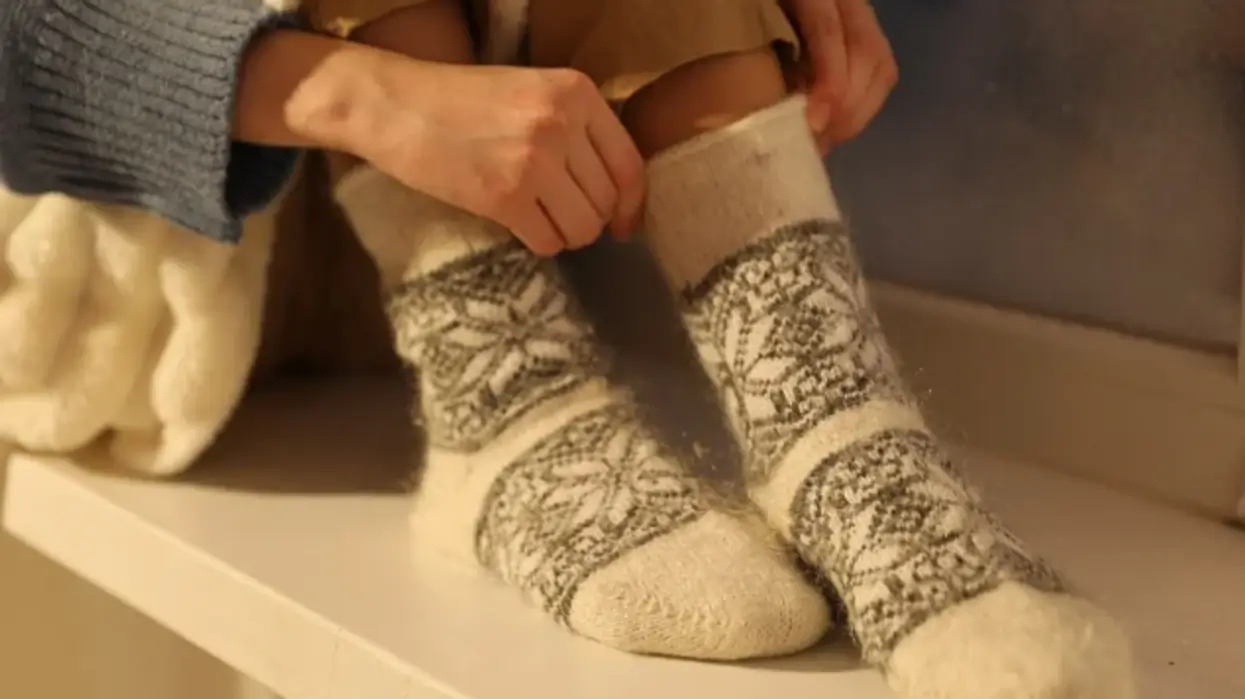
Cold hands and feet are often a normal response of the body to low temperatures. However, if they stay cold even in warm environments, the cause may be linked to health problems such as anemia, Raynaud’s syndrome or circulatory disorders. According to specialists, when the body is exposed to cold, the blood vessels in the hands and feet narrow to conserve heat and protect vital organs.  But if this happens constantly, there may be other reasons. 1. Inherited tendency Some people naturally have colder hands and feet without any specific health problem. However, it is advisable to consult a doctor to rule out other possible causes. 2. Raynaud’s syndrome This syndrome causes a pronounced narrowing of the arteries in the fingers and toes. During episodes, the fingers may turn white, take on a blue or violet color, and then turn red when they warm up. Numbness and a pins-and-needles sensation may also occur. If wounds form that heal with difficulty, you should seek medical help. 3. Peripheral artery disease This disease occurs when a buildup of plaque in the arteries blocks blood flow, especially in the legs. If one leg suddenly becomes cold, turns pale and is accompanied by pain, numbness or difficulty moving, urgent medical help is needed. 4. Underactive thyroid When the thyroid gland does not produce enough hormones, the body may have more difficulty regulating temperature. As a result, a person may feel cold even when dressed warmly or in a room at a comfortable temperature. 5. Anemia Anemia occurs when the body does not have enough healthy red blood cells to carry oxygen.
Besides cold hands and feet, it can cause fatigue, dizziness and headaches. The condition can be checked through blood tests. 6. Stress and anxiety In stressful situations, the body activates the response known as “fight or flight,” narrowing the blood vessels in the limbs. For this reason, hands may become cold and sweaty before an important meeting or presentation. Usually, this effect is temporary. 7. Medications and other substances Some medicines, including beta-blockers and certain nasal decongestants, can cause hands and feet to become cold. Nicotine and caffeine can also affect the narrowing of blood vessels. If you suspect that the discomfort is linked to a medication, do not stop it without consulting your doctor. How to keep your hands and feet warm? Specialists recommend warm socks and gloves, layered clothing, physical activity and avoiding tobacco. Also, feet should be dried well after a shower or swimming, while gradual warming with lukewarm water can help. When should you see a doctor? If your hands and feet are constantly cold and this is accompanied by fatigue, unexplained weight changes, joint pain, skin redness or wounds that do not heal, a medical checkup is advised.
If a limb suddenly becomes cold, changes color and does not warm up, seek urgent medical help immediately.
Originally published in Albanian on Reporteri.net. We use AI to help translate and publish our articles, and every article is reviewed by our editors.








