







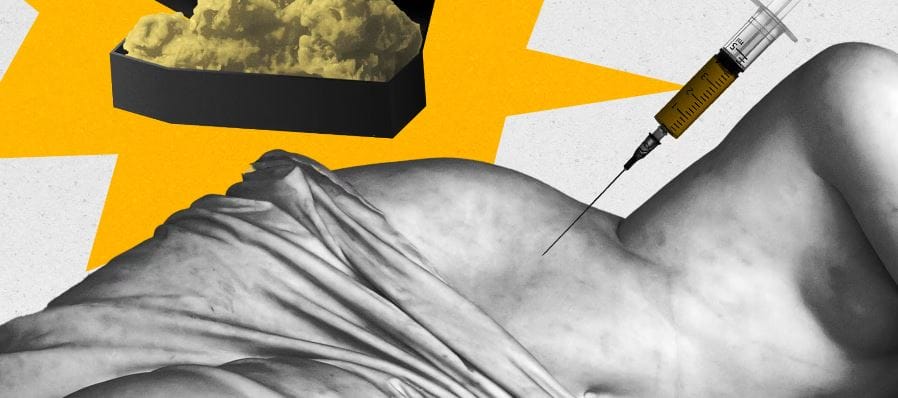
The use of an injectable product made from fat tissue taken from deceased donors is gaining attention in the United States.
The product, called alloClae, aims to restore volume to areas such as the chest, buttocks and face without major surgical procedures.
The trend is also linked to the use of weight-loss drugs such as Ozempic and Wegovy, after which some people want to restore volume they have lost in certain parts of the body.
How does the procedure work?
Unlike traditional procedures, in which fat is taken from the patient through liposuction and transferred to another area, alloClae uses donated human fat tissue that has been processed for cosmetic use. The procedure can take less than an hour and usually does not require general anesthesia.
Some patients say they are satisfied with the results, but the experience is not always free of complications. A woman interviewed by CNN reported pain, lumps and fluid leakage after an injection in her chest. Doctors diagnosed her with fat necrosis, a condition in which fat tissue is damaged or dies because of an insufficient blood supply.
Is it safe?
Experts stress that more clinical studies and long-term data are needed to assess the safety of this method. Beyond the medical risks, there are also ethical questions: do donors and their families know that the tissue may be used for cosmetic and profit-making purposes?
In essence, alloClae represents a new alternative for body shaping, but long-term safety and ethical dilemmas remain open questions.
Originally published in Albanian on Reporteri.net. We use AI to help translate and publish our articles, and every article is reviewed by our editors.








