







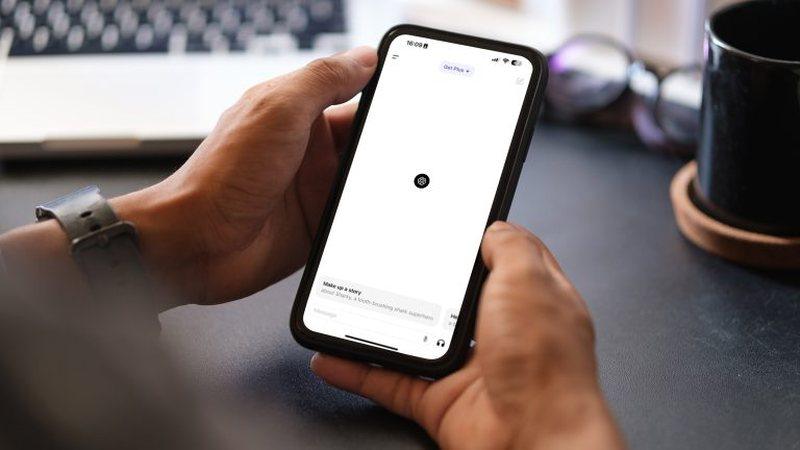
For many people, ChatGPT has become the “assistant” they ask about everything, from a cooking recipe, a CV or an email to advice on health or problems at work. But it is precisely this great trust in artificial intelligence that is worrying privacy experts.
They warn that, although chatbots can be very useful, they are not the place to share any personal information. According to experts cited by HuffPost, there is certain data that is better kept out of any conversation with artificial intelligence.
Data that can identify you
Your full name, home address, phone number, personal ID number, passport, driver’s license or other official documents should not be shared with a chatbot. Experts explain that this data can be recorded or processed and, if it falls into the wrong hands, can be used for identity theft, fraud or targeted attacks. Even when you upload a document for analysis, it is advised to first remove any information that identifies you.
The most personal details of your life
Because ChatGPT communicates in a natural way, many users forget they are not talking to a person. This leads them to share family problems, intimate stories or very personal situations. Experts warn that this creates a false sense of security. Unlike a psychologist, doctor or lawyer, a chatbot has no legal obligation to keep information confidential, so it should not be treated as a person you can trust with everything.
Documents and medical information
Many people use artificial intelligence to understand lab tests, medical reports or diagnoses. Experts do not rule out this use, but advise that before uploading a document, you remove your name, date of birth, ID card number and any other data that could identify you. They also remind readers that common chatbots do not operate under the same privacy rules that apply to healthcare professionals.
Confidential work information
Another common mistake is uploading internal company reports, contracts, customer data, source code or documents protected by confidentiality agreements. According to experts, even a single request containing sensitive material can create legal, contractual or regulatory problems, both for the employee and for the company they work for.
Financial data
Bank accounts, credit cards, investment information, income documents and tax returns are among the data that should not be shared with chatbots. If this information is exposed, it can be used for financial fraud or targeted attacks against the user and their family.
Experts advise users to always check the privacy settings on artificial intelligence platforms and, where possible, to limit the use of their conversations for training models. A simple solution is to use pseudonyms or general descriptions instead of real names and data, so that the AI has the context it needs without receiving personal or confidential information.
Originally published in Albanian on Reporteri.net. We use AI to help translate and publish our articles, and every article is reviewed by our editors.








