







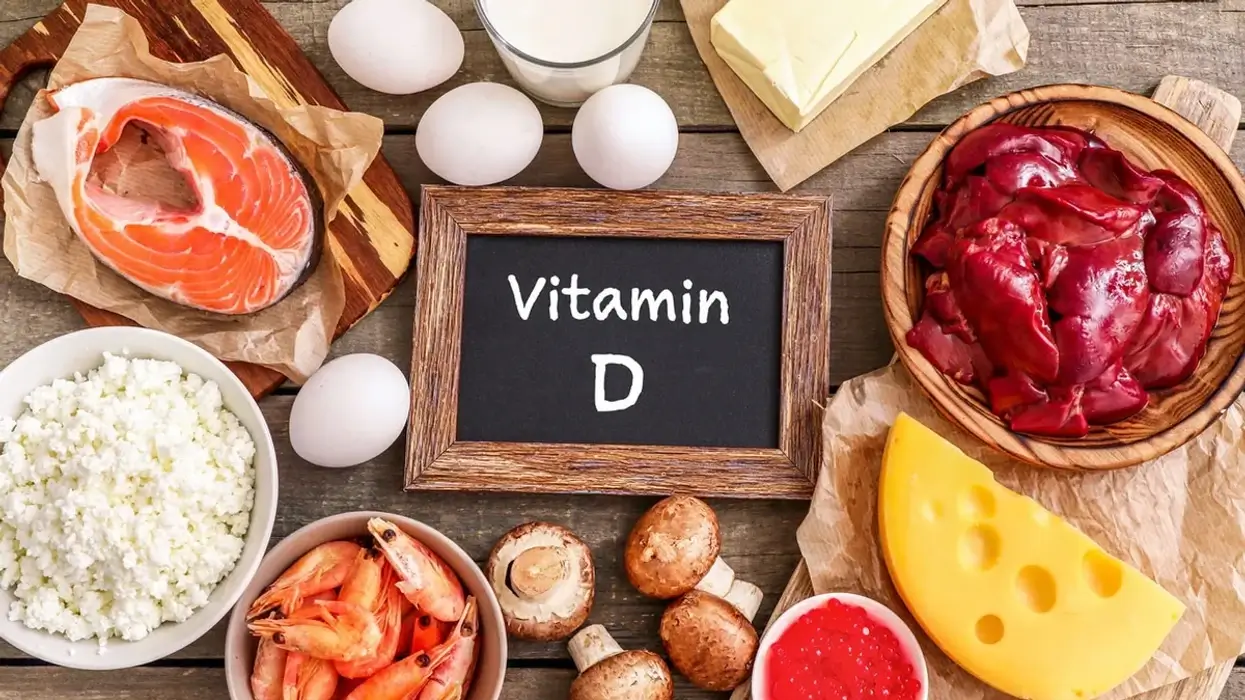
Vitamin D plays several important roles in the body, from keeping bones strong to helping the absorption of calcium and supporting the immune system.
This fat-soluble vitamin also helps transmit signals in the brain. It has many functions. You can get vitamin D through food, supplements and ultraviolet (UV) rays from the sun, but many people do not get enough, Eatingwell reports.
“People who live at higher latitudes are at greater risk of vitamin D deficiency, because the intensity of sunlight in those areas is weaker. In fact, at latitudes of 40 degrees north and above, there is not enough UVB radiation during some months of the year to make vitamin D,” says Sara Garoun.
Given these challenges, it is no surprise that vitamin D is one of the nutrients that many Americans are trying to get more of.
The recommended daily amount of vitamin D for adults aged 19 to 70 is 15 micrograms, or 600 international units. People over 71 need 20 micrograms (800 IU) a day. Although sunlight contributes to vitamin D production, getting enough through food and, if necessary, supplements can also be helpful.
Here are five vitamin D-rich foods to consider as part of your daily diet, ranked by the amount of the vitamin in each serving.
Fatty Fish
Fatty fish tops this list because of its high vitamin D content. The group includes salmon, trout, mackerel, herring and tuna, whose fatty flesh contains this vitamin. For example, an 85-gram serving of rainbow trout contains about 16.2 micrograms of vitamin D, while the same amount of salmon provides about 14.2 micrograms.
“Fatty fish like salmon, mackerel and herring are an excellent way to get vitamin D, healthy fats and protein in one delicious meal,” emphasizes Garoun.
You can pair fish with whole grains and vegetables, add it to pasta, or use it canned.
If you are choosing fish for children, or if you are pregnant or breastfeeding, check the U.S. Food and Drug Administration (FDA) recommendations on mercury and choose the right species accordingly. Different types of tuna and mackerel can have very different levels of mercury, so it is not wise to treat them all the same.
Milk
Want to increase your vitamin D intake? Try milk, most of which in the United States is fortified with this vitamin. One cup of fortified cow’s milk contains about 2.9 micrograms of vitamin D. Many fortified soy, almond and oat drinks also contain it, although the amount depends on the manufacturer.
“Cow’s milk is one of the main sources of vitamin D in the American diet, thanks to fortification. In fortified cow’s milk, you get the bone health benefits of both calcium and vitamin D,” says Garoun.
You can add milk to your favorite oatmeal, cereal or smoothie, or drink it with a meal. Cow’s milk also provides protein, calcium, potassium and vitamin A.
If you prefer plant-based alternatives, check the label to see whether they are fortified with vitamin D and how much they contain.
Breakfast Cereals
What could be simpler than a bowl of breakfast cereal? Many types of cereal are fortified with vitamin D, making them another convenient way to boost your intake.
“When you buy breakfast cereal, be sure to check the nutrition facts label. You may be surprised to see how much vitamin D your favorite cereals contain,” advises Garoun.
The amount varies from product to product, but one serving of certain fortified cereals contains about two micrograms of vitamin D. If you combine them with fortified milk, you can get even more.
Choose cereals you enjoy, but when comparing products, pay attention to fiber and added sugar.
Sardines
If you have noticed sardines on social media, their popularity is not without reason. These small fish are packed with nutrients: protein, vitamin B12, selenium, magnesium, potassium, omega-3 fatty acids and, of course, vitamin D.
“Sardines are another seafood option that is rich in vitamin D,” says Garoun.
One serving, or two sardines, provides 1.2 micrograms of vitamin D, and you can easily double that amount if you eat a larger portion.
If you are not used to eating these practical and versatile fish, try adding them to your meals.
“Try sardines as a side for pasta without boiling, or put them on pizza or toast,” suggests Garoun.
Eggs
Eggs are an essential breakfast food, and one large egg contains 1.1 micrograms of vitamin D. However, it is important to remember that this vitamin is found in the yolk, so do not throw it away.
“When it comes to vitamin D in eggs, the yolk is the most important part. However, eat the whole egg to get as many nutrients as possible,” advises Garoun.
Eggs are a practical and affordable way to add vitamin D to your meals. You can prepare them as scrambled eggs for breakfast, add them to oatmeal before baking, or make shakshuka.
Garoun also reveals how she likes them best: “Baked eggs with a little cheese are my favorite way to get both vitamin D and calcium.”
Originally published in Albanian on Reporteri.net. We use AI to help translate and publish our articles, and every article is reviewed by our editors.








