







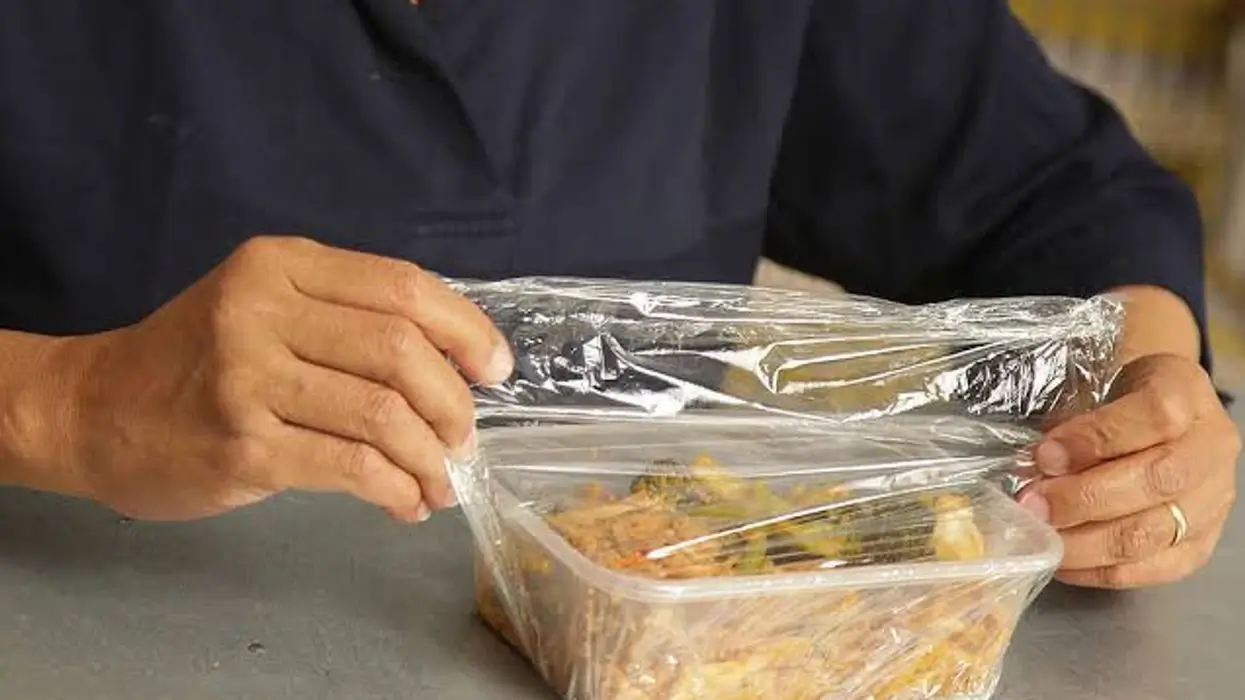
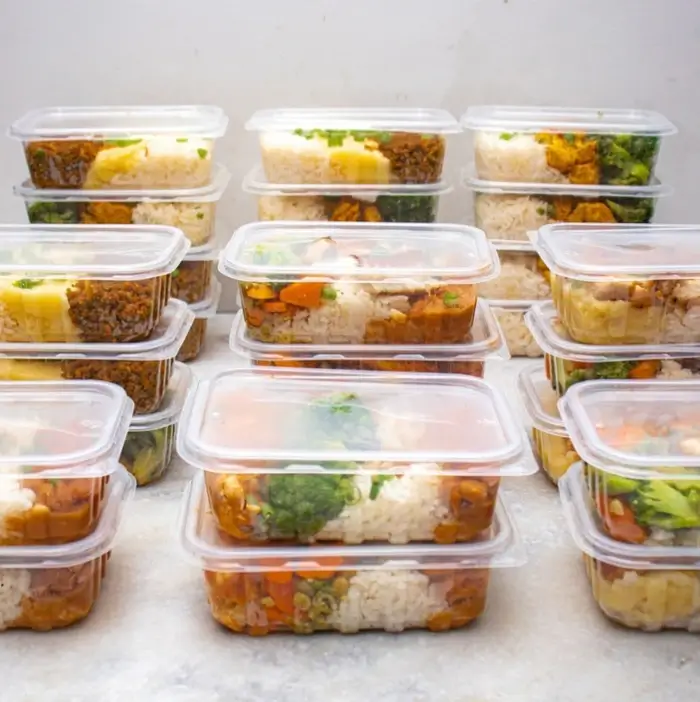
Storing food in plastic containers is a common practice in many households, as they are convenient for organizing the refrigerator and storing leftovers.
However, food safety experts warn that not all foods should be kept in this type of packaging, because under certain conditions chemicals from plastic can pass into food and increase the risk of contamination.
According to experts, special care should be taken with old or scratched plastic containers, or those that have been used repeatedly to heat food in the microwave.
Some of them may contain bisphenol A (BPA), a chemical found in certain plastic products.
Among the foods that should not be stored in plastic containers is raw meat, since bacteria present in it can remain in scratches and tiny gaps on the plastic surface, creating conditions for them to multiply.
For this reason, experts suggest storing meat in glass containers to reduce the risk of contamination.
Foods high in fat should also be kept away from plastic containers.
This includes olive oil, butter, cheese, meat, fish, nuts, fried foods and cream-based sauces.
Some plastic components dissolve more easily in fat than in water, which can make it easier for chemicals to pass into food. Glass or stainless steel containers are recommended as an alternative.
Acidic foods also fall into the group that requires caution, such as tomatoes, citrus fruits and their juices, salad dressings, yogurt, pickled cabbage and kimchi.
Contact between these products and plastic can cause some chemicals to be released, while acidity can also leave stains on the surface of plastic containers, making them harder to clean.
The fourth category includes leftover food that is planned to be reheated.
Experts warn that single-use plastic packaging, which restaurants often use for delivery orders, should not be put in the microwave.
It can warp or melt during heating, increasing the chance that unwanted substances transfer into the food.
For this reason, it is recommended to transfer food to a plate or container suitable for microwave use before heating it.
Also, if leftovers are planned to be stored for another meal, it is better to place them in glass or stainless steel containers from the start.
Experts stress that choosing the right containers and checking their condition are important steps for storing food safely and avoiding possible risks.
Originally published in Albanian on Reporteri.net. Translated from Albanian with the help of AI.








