







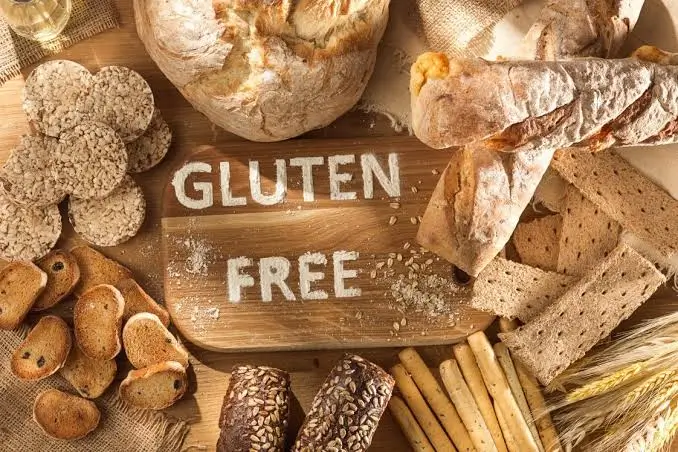
Gluten-free diets have become one of the most common trends in eating, but not necessarily a healthier choice. According to fanpage.it, Italian nutritionist Renata Bracale warns that people who do not have celiac disease, a wheat allergy or a diagnosed gluten sensitivity have no reason to eliminate gluten from their diet.
According to data published by Gluten Free Insights, sales of gluten-free products in large retail chains in Italy rose by 7.4% over the past year, reaching about 386.6 million euros. These products are bought not only by people who need them for medical reasons, but also by people who consider them healthier or believe they help with weight loss.
However, according to Bracale, there is no scientific evidence that a gluten-free diet improves health or helps with weight loss in the general population.
What is gluten, and who should avoid it?
Gluten is a group of proteins found naturally in wheat and other grains, such as barley and rye, as well as in products made from them. It gives dough the elasticity needed to make bread, pasta and pizza.
Unlike people who choose to avoid gluten for wellness reasons, those with celiac disease must eliminate it completely from their food. Celiac disease is an autoimmune disease that damages the small intestine after gluten is consumed, preventing the proper absorption of vitamins and minerals.
For these people, a strict gluten-free diet, followed for life, is the necessary treatment.
Why is a gluten-free diet not necessarily healthier?
According to the nutritionist, avoiding gluten without a medical reason can also lead to some nutritional deficiencies. People who eliminate it risk getting less fiber, iron and calcium, especially if they do not properly replace the foods they have removed from their diet.
Also, some packaged gluten-free products may contain more fat and sugar than regular alternatives. They can also be more expensive and provide less of a feeling of fullness.
Bracale stresses that whole grains containing gluten are an important part of the Mediterranean diet, as they provide fiber and help maintain cardiometabolic health.
Gluten-free does not mean carb-free
Another common misconception is the idea that eliminating gluten also means cutting carbohydrates, and therefore losing weight.
“Gluten-free does not mean carb-free,” is the core of the nutritionist’s explanation. Rice, corn and potatoes, for example, are sources of carbohydrates that naturally contain no gluten.
According to her, instead of cutting out carbohydrates completely, it is more important to choose quality sources, such as whole grains, in appropriate portions and paired with legumes, vegetables, extra virgin olive oil and dried fruit.
The nutritionist’s message is clear! Gluten is not harmful to most people and should not be treated as an enemy of health. Eliminating it from the diet should be done when there is a specific medical reason, not simply because of a food trend.
Originally published in Albanian on Reporteri.net. We use AI to help translate and publish our articles, and every article is reviewed by our editors.








