







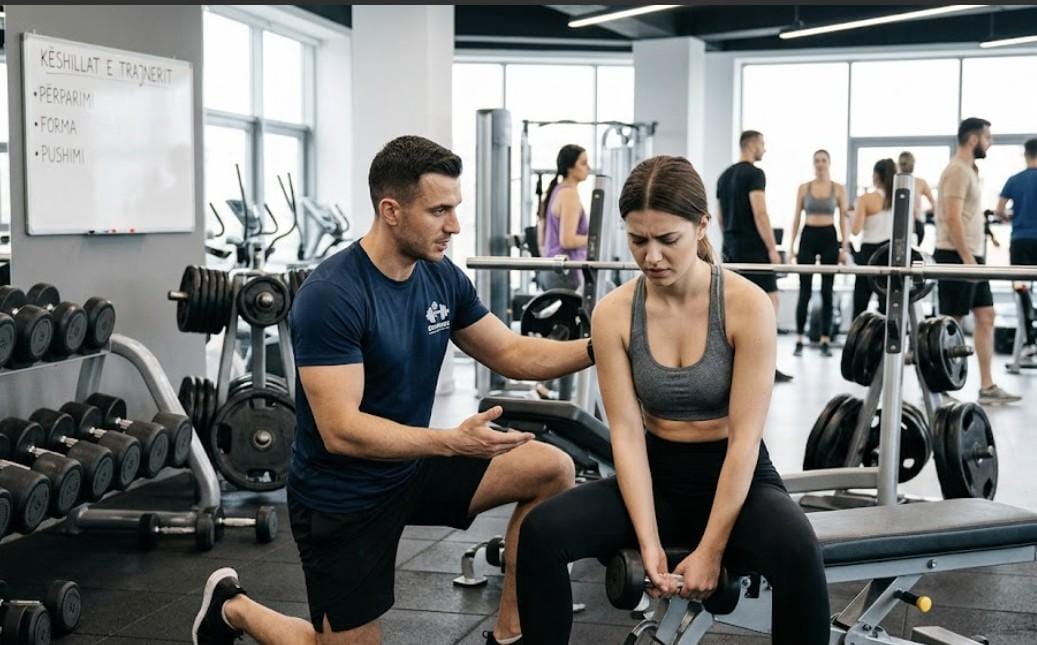
Many people spend hours at the gym waiting for rapid physical changes, but often end up discouraged. A professional fitness trainer explains why progress stalls and the essential rules for seeing real results.
Starting a training program is always accompanied by high motivation, but after a few weeks or months, many enthusiasts face an obstacle: the body stops changing and the weights no longer go up. According to fitness experts, the problem rarely lies in a lack of desire, but in mistakes in approach and strategy.
1. The Biggest Mistake: Lacking “Progressive Overload”
One of the main reasons you don’t see progress is repeating the same exercises with the same weight for long periods. The body adapts quickly to the load. To stimulate muscle growth and strength, the principle of progressive overload must be applied: gradually increasing the weights, adding repetitions, or reducing rest time between sets.
2. Poor Form and Lifting Weights That Are Too Heavy
Beginners often, eager to make quick progress, lift heavier weights than they should, sacrificing proper movement technique. This not only shifts tension away from the targeted muscles but also significantly increases the risk of serious injuries that can keep you out of the gym for months.
3. Ignoring Rest and Sleep
Many people think muscles are built inside the gym, but in fact training only slightly damages muscle fibers. They grow and strengthen during the recovery phase. Lack of adequate sleep (7–8 hours a night) and training without rest days lead to overtraining and chronic fatigue.
4. Diet and Lack of Protein
No amount of training can compensate for an irregular diet. Without enough protein and calories suited to your goal (weight loss or muscle gain), your efforts in the gym remain far from their full potential.
5. Patience and Consistency
Trainers stress that the first visible changes require at least 6 to 8 weeks of consistency. Tracking progress through photos or by recording the weights you lift, and not just the scale, is the best way to keep motivation alive.
Originally published in Albanian on Reporteri.net. We use AI to help translate and publish our articles, and every article is reviewed by our editors.








