







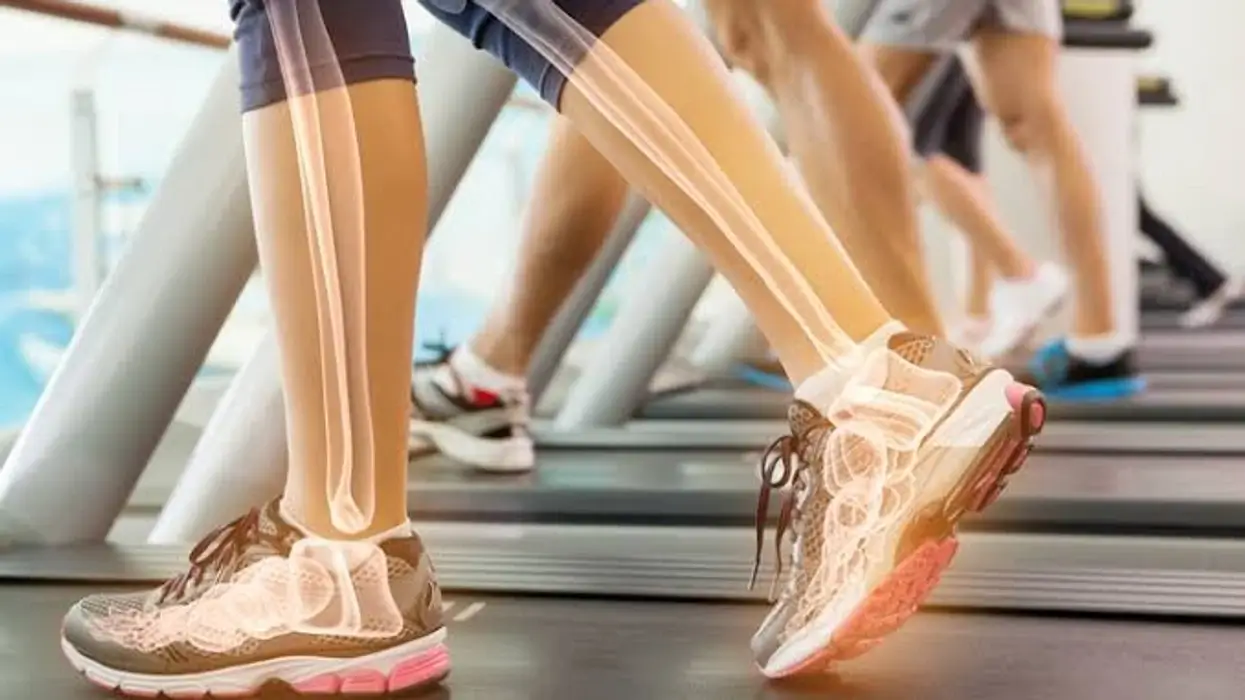
Bones are not rigid, unchanging structures but living tissue that is constantly renewing itself.
That is why it matters to look after them throughout your life. Simple habits can help keep them strong and lower the risk of fractures.
According to the Academy of Nutrition and Dietetics, bone mass peaks at around age 30, which means that nutrition and exercise in youth affect bone health in later years, Eating Well reports.
Although osteoporosis is more common in women, bone health matters for everyone. Nutritionists have identified seven habits that can help preserve bone strength.
Exercise regularly
Physical activity is one of the best ways to strengthen bones. Strength training is recommended at least twice a week, and activities such as brisk walking, climbing stairs and carrying groceries are also beneficial.
“For people who cannot or do not want to do high-intensity exercise, such as running or skipping rope, low-impact exercises, bodyweight exercises and muscle-strengthening exercises are the best choices,” says nutritionist Dawn Jackson Blatner.
“While high-intensity workouts are excellent for bones, lower-intensity options such as brisk walking or climbing stairs are still excellent choices,” Blatner adds.
Get enough key nutrients
Calcium is important for bone health, but bones also need protein, magnesium, and vitamins D and K. “Protein is essential for building bone cells and is needed to build the muscles that keep us strong and upright,” says nutritionist Elizabeth Ward.
Ward adds that vitamin K is also important, while soy products may help slow bone loss after menopause.
“If calcium is Batman, vitamin D is Robin. It is a reliable sidekick that lets calcium do its job by making sure it is absorbed and used where it is needed most – in the bones,” says nutritionist Keri Gans. Foods that are good for your bones include dairy products, tofu, fortified plant-based drinks, canned salmon with bones and leafy green vegetables.
Eat prunes
Research shows that prunes may help preserve bone density. “Prunes contain a number of nutrients that support bone health, including fiber, magnesium, potassium, vitamin K, polyphenols and copper,” says nutritionist Melissa Joy Dobbins.
“Research shows that prunes may help prevent bone resorption, or the breakdown of bone.” You can eat them as a light snack or add them to smoothies, oatmeal or salads.
Cut back on salt
Too much salt can increase the body’s loss of calcium and harm bone health over the long term. “It is well known that too much sodium affects blood pressure, but what is new for most people is that a chronically high salt intake can also affect bone mineral density,” says nutritionist Hillary Wright.
Wright advises cutting back on highly processed foods and, instead of adding salt, using herbs, garlic, ginger and vinegar more often.
Make sure you get enough vitamin D
Vitamin D helps the body absorb calcium, but it is not always easy to get enough of it through diet. “Most women struggle to meet the recommended daily intake of 15 micrograms of vitamin D because very few foods contain it,” says Ward.
Ward recommends foods such as salmon and mushrooms exposed to UV light, as well as fortified dairy products and plant-based drinks. If you are not getting enough, supplements can help, but you should not overdo them.
Sleep well and look after your hormones
Sleep is important for the body’s recovery, and hormones play a major role in bone health. This is especially important for women going through menopause, since a drop in estrogen can speed up bone loss. “The biggest change for bone health that begins in perimenopause is the decline in estrogen,” says Ward.
“Estrogen supports bones by slowing the breakdown of bone cells and encouraging the formation of new ones.” A healthy diet, regular exercise and quitting smoking can help soften the effects of these changes, but they cannot fully prevent them.
Check your habits every week
Consistency is the key to bone health. Nutritionist Keri Gans recommends checking each week how much exercise you have done and what you have eaten. “Ask yourself whether you have exercised enough and eaten enough calcium and vitamin D this week. This quick check helps make bone health a priority,” says Gans.
“Small, consistent steps have a much greater impact than one-off efforts,” Gans adds.
It is never too late to start.
Bone health depends on the habits we build over the years. Regular exercise, a balanced diet and enough rest can help maintain bone strength into old age. “Bones are alive, and they can become stronger at any age if you keep them active,” Blatner concludes.
Originally published in Albanian on Reporteri.net. We use AI to help translate and publish our articles, and every article is reviewed by our editors.








