







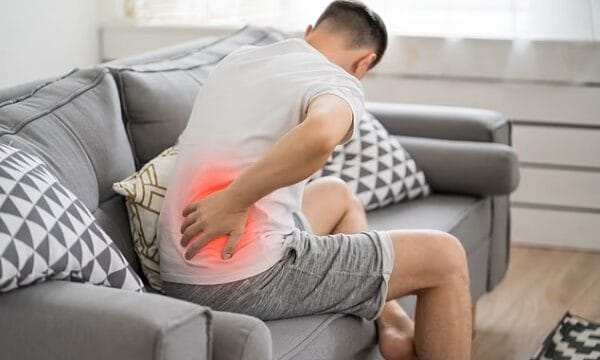
Exercise programs, yoga and psychological support can help people with ongoing lower back pain move more freely and manage their symptoms better. An international review found that some of these interventions produced better results and lower costs than usual care.
Researchers from the University of Warwick and institutions in Australia analyzed 20 studies involving nearly 15,000 participants to determine which treatments offered the greatest benefits relative to their cost. More than half of the studies focused on chronic lower back pain, which lasts longer than three months. The review was published in the journal PLOS Medicine.
Why does regaining confidence in movement matter?
When movement causes pain, people may start avoiding it out of fear that they could make their condition worse. Over time, this can make it harder to return to everyday activities. Some of the most effective interventions helped participants understand their pain better, manage it and gradually resume the movements they had been avoiding.
Yoga can be a form of exercise adapted to a person’s abilities, while psychological therapy can help them confront their fear of movement. NICE guidelines in Britain include cognitive behavioral therapy as part of a program that also contains exercises.
Some treatments also produced savings
In one study, a workplace counseling program combined with a gradual increase in activity reduced societal costs by about £7,315 per participant. In another study, functional cognitive therapy, which combines pain education with psychological strategies and tailored exercises, reduced these costs by about £2,671 per participant. These estimates reflect the conditions of the respective studies and include costs outside the health system, such as lost productivity.
Programs that combined exercise with changes in diet and daily activity also produced favorable results relative to cost. For massage and acupuncture, the findings were more mixed. The cost-effectiveness of acupuncture varied depending on the health system and how it was delivered, while NICE guidelines do not recommend it for treating lower back pain.
Professor Manuela Ferreira, co-author of the review from the University of New South Wales in Australia, said that expanding access to exercise programs, physiotherapy and psychological support could help more patients and ease the burden on health services.
When should you seek medical help?
According to the World Health Organization, lower back pain affected about 619 million people in 2020 and is the leading cause of disability worldwide. Most cases are nonspecific, meaning the pain cannot be attributed to a single identifiable cause. It often improves within a few weeks, but it can last longer or return.
If pain does not begin to ease after a few weeks, or if it is accompanied by unexplained weight loss, a medical consultation is advised. Pain accompanied by fever, chills or a general feeling of being unwell requires prompt evaluation.
Numbness around the genitals or anus, new difficulty urinating, or loss of control over urine or bowel movements requires immediate evaluation in an emergency room.
Originally published in Albanian on Reporteri.net. We use AI to help translate and publish our articles, and every article is reviewed by our editors.








