







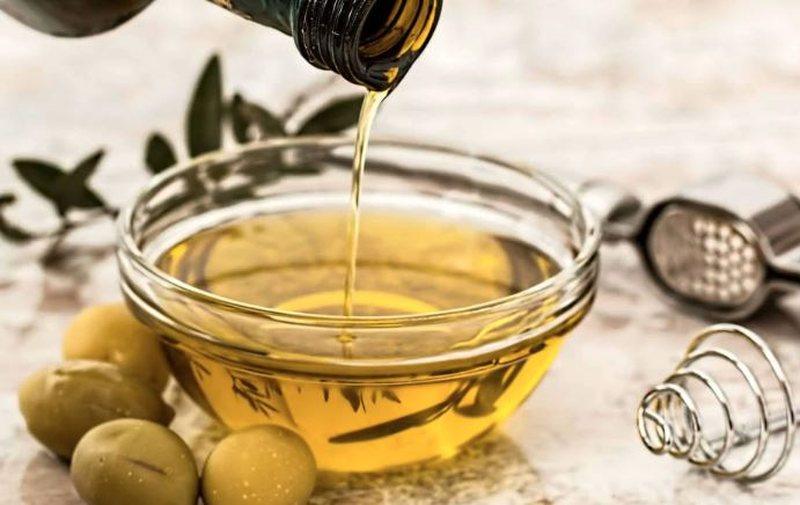
A cornerstone of the Mediterranean diet, olive oil is widely known for its benefits to heart and overall health. Now, scientific interest is also turning to its possible role in appetite control. Recent studies suggest its active components may affect satiety hormones, prolonging the feeling of fullness after a meal.
Appetite is controlled by a complex system of hormones
Appetite is controlled by a complex system of hormones that signal to the body when it is hungry and when it has eaten enough. Some hormones stimulate hunger, while others promote a feeling of fullness. One of the main hormones linked to hunger is ghrelin, often called the “hunger hormone.” Its levels rise before meals and fall after eating. Other hormones, such as glucagon-like peptide-1 (GLP-1) and glucose-dependent insulinotropic polypeptide (GIP), are released by the digestive system after meals and help promote satiety and the sensation of fullness.
Why oleic acid may matter
Most of the effect olive oil has on appetite appears to be linked to oleic acid, the main monounsaturated fatty acid in olive oil. During digestion, cells in the intestines convert oleic acid into oleylethanolamide (OEA). OEA acts as a communication signal between the digestive system and the brain, promoting a feeling of fullness and helping to reduce food intake. Most of the available evidence for this mechanism comes from animal studies, and more research in humans is needed to better understand its impact on everyday eating habits.
How does olive oil compare with other fats?
Researchers are still trying to determine whether olive oil has unique effects on appetite beyond those of dietary fats in general. Factors such as the amount of olive oil consumed, the overall composition of the meal and individual differences in metabolism can influence how full a person feels after eating.
Dietary fats in general tend to slow the emptying of the stomach and increase the feeling of fullness more than refined carbohydrates do. Olive oil also contains natural plant compounds known as polyphenols, especially in extra virgin olive oil. Polyphenols are antioxidants that may interact with the digestive system and influence the release of hormones involved in regulating appetite and blood sugar. Some researchers believe these compounds may also contribute to the feeling of fullness after a meal. However, it is difficult to separate their effects from those of the fat in olive oil itself.
Other healthy fats, such as those found in nuts, seeds, avocados and fatty fish, may also help promote a feeling of fullness. Rather than focusing on a single food, a range of healthy fat sources is generally recommended as part of a balanced diet.
Originally published in Albanian on Reporteri.net. We use AI to help translate and publish our articles, and every article is reviewed by our editors.








