








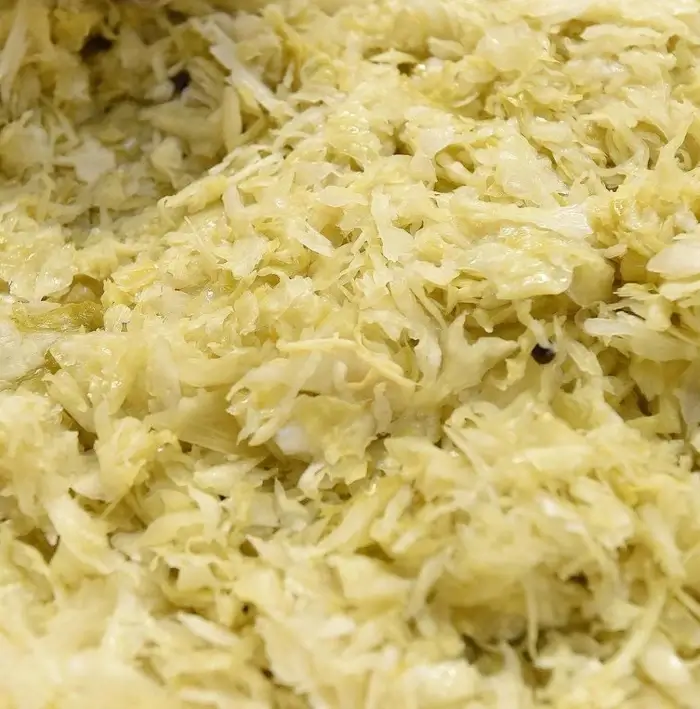
Pickled cabbage is a favorite food in autumn and winter.
It contains fiber, vitamin C and other nutrients, but its high salt content, acidity and fermentation process can cause problems for some people.
For most people, pickled cabbage can be part of a varied diet. However, five groups should pay particular attention to how much they eat.
1. People with high blood pressure
Pickled cabbage can contain a lot of sodium, which in excessive amounts can contribute to higher blood pressure and fluid retention in the body. People with hypertension should monitor how much they eat and their overall salt intake throughout the day. Rinsing it with water can remove some of the sodium.
2. People with chronic kidney disease
When the kidneys do not function properly, the body may find it harder to regulate fluids and minerals. Foods high in salt can complicate blood pressure control and increase fluid retention. However, restrictions depend on individual conditions, so pickled cabbage is not necessarily off-limits for all of these people.
3. People with gastritis, reflux or a sensitive gut
The acidity of pickled cabbage can worsen heartburn and reflux symptoms in some people. For people with irritable bowel syndrome, it may cause bloating, gas or stomach pain. Reactions vary from person to person, so it is important to notice whether symptoms appear after eating it.
4. People sensitive to histamine
During fermentation, histamine can form, which in some sensitive individuals may be associated with headaches, flushing, itching or digestive problems. The amount varies depending on how the food is prepared and stored. Because these symptoms can also have other causes, eliminating many foods is not recommended without advice from a health professional.
5. People taking warfarin
Warfarin is a medication that helps prevent blood clots, while vitamin K affects the clotting process. Since cabbage contains vitamin K, large and sudden changes in how much of it is eaten can affect the drug’s effect and INR values. People taking warfarin do not necessarily need to exclude cabbage from their diet, but they should keep their intake consistent and consult their doctor about any significant changes.
Should pickled cabbage be avoided?
Not necessarily. For most healthy people, it can be part of a balanced diet. Unpasteurized products may contain live microorganisms from fermentation, while long cooking destroys these microorganisms but preserves some of the fiber and nutrients.
Salt content, portion size and individual tolerance are the main factors to consider. People with chronic conditions or who take medications affected by food should consult their doctor about the restrictions they need.
Originally published in Albanian on Reporteri.net. We use AI to help translate and publish our articles, and every article is reviewed by our editors.








