







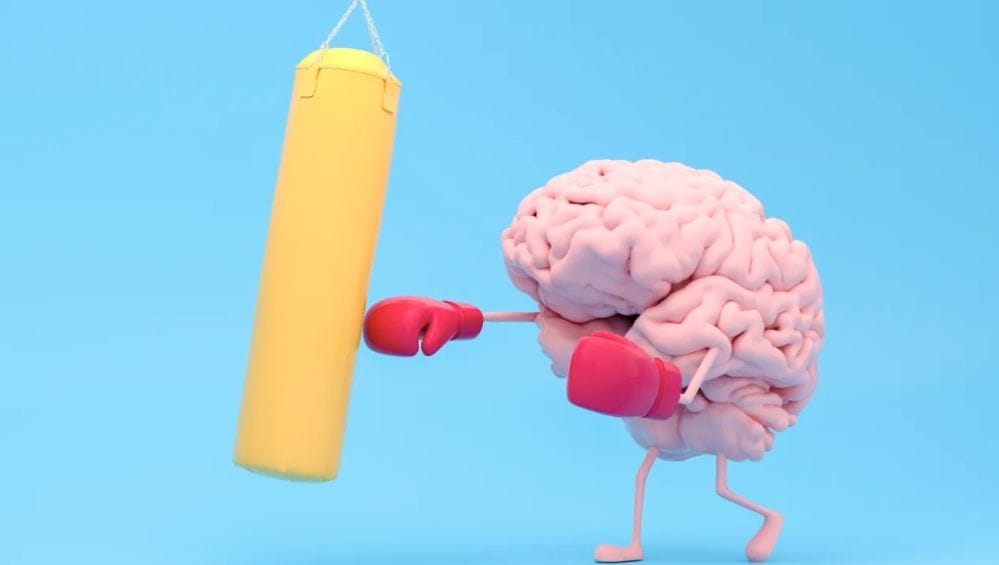
Most people take care of their weight, physical appearance and body health, but often neglect the organ that controls almost everything in their lives: the brain. American psychiatrist Daniel Amen says the biggest mistake people make is not thinking about brain health and not building a conscious relationship with it.
In an article published by CNBC on September 23, 2025, psychiatrist Daniel Amen explained how daily habits can affect brain health and which changes he recommends to protect it.
Amen made these comments during a conversation with longevity researcher Dan Buettner, known for popularizing the concept of Blue Zones, regions where people are known for their long lives.
During an episode of Buettner’s podcast, the psychiatrist was asked what the biggest mistake Americans make regarding brain health was.
“They don’t think about it. They never really develop a relationship with their brain,” Amen replied.
According to him, this is probably the most important relationship a person can have in their life.
Amen himself had neglected brain health
Amen admitted that, despite his professional training in psychiatry and medicine, for many years he had not paid enough attention to brain health.
He said his awareness changed in 1991, when he began offering brain imaging scans at his clinics.
After examining his own brain, he realized that his condition was not as good as he had thought.
“I had bad habits. I was sleeping only four hours a night. I was overweight, and I had simply never seriously thought about the physical health of my brain,” he said.
This experience led him to make major changes in his lifestyle and to start promoting brain health care.
11 tips from Daniel Amen for a healthy brain
1. Get regular exercise. Workouts are among the habits Amen recommends for preserving brain health.
2. Learn new things. Acquiring new knowledge and skills is a way to keep your brain active.
3. Include omega-3 fatty acids in your diet. Amen recommends eating foods that contain omega-3, which are important for normal brain function.
4. Cut back on sugar and processed foods. The psychiatrist advises avoiding foods that can promote inflammation, specifically mentioning sugar and processed products.
5. Know your family’s health history. He recommends that people learn about diseases that appear in their family and draw up a prevention plan for conditions they may be predisposed to.
6. Get enough sleep. Sleep is one of the main factors Amen mentions for maintaining brain function.
7. Don’t use your phone while driving. According to him, distraction behind the wheel increases the risk of accidents and head injuries, which can have consequences for the brain.
8. Avoid toxic substances. Amen advises avoiding drugs and excessive alcohol consumption.
9. Remove harmful substances from your body. The psychiatrist recommends using a sauna, which he links to detoxifying the body. However, the claim that a sauna removes toxins in a clinically meaningful way has not been scientifically proven.
10. Don’t believe every negative thought that comes to mind. Amen stresses that negative thoughts about yourself are not necessarily true and that people should learn to evaluate them critically.
11. Know your vitamin D and hormone levels. He recommends checking vitamin D and correcting a deficiency when necessary, as well as analyzing hormone levels. The need for these tests should be determined in consultation with a doctor.
The psychiatrist’s message: Learn to love and take care of your brain
Amen says brain care should be part of everyday life and not something people think about only after health problems appear.
He stresses the importance of being aware of how daily habits affect the way the brain works.
His main message is that people should learn to love and care for their brains, avoiding behaviors that can damage them.
While physical activity, adequate sleep, a balanced diet and avoiding harmful substances are backed by considerable scientific evidence, some of Amen’s recommendations, especially those about detoxifying through a sauna, do not have the same level of scientific support.
Originally published in Albanian on Reporteri.net. We use AI to help translate and publish our articles, and every article is reviewed by our editors.








