







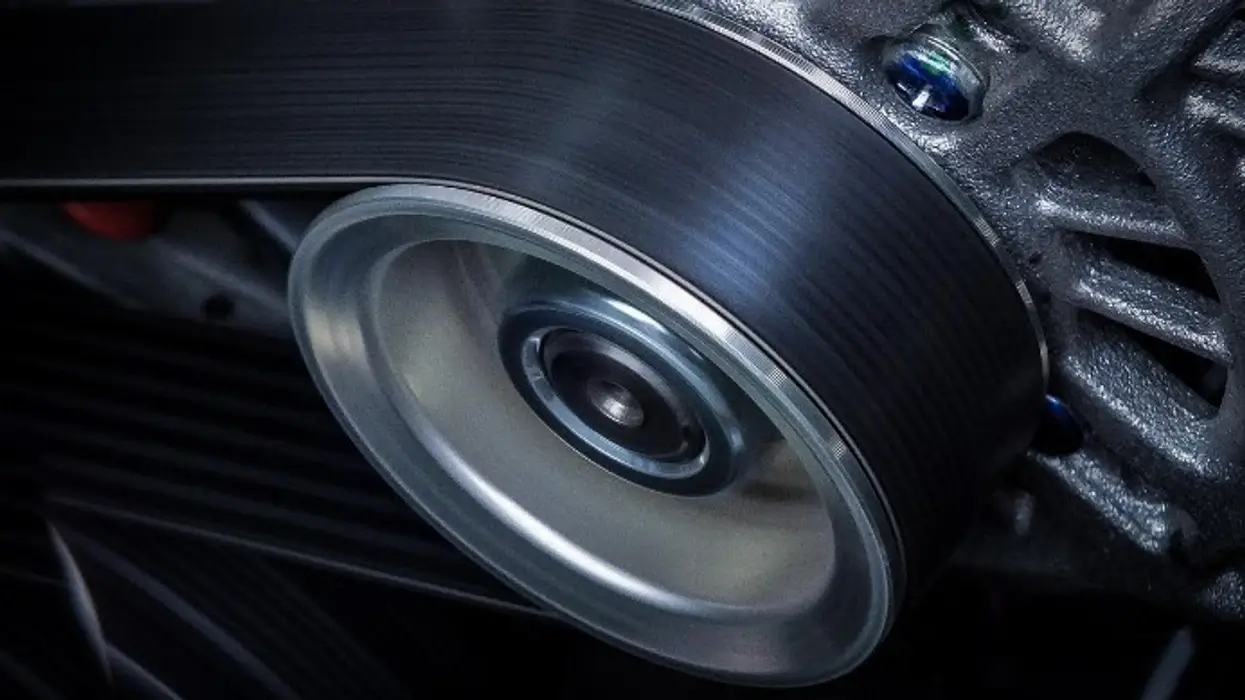
A continuous squealing noise from the engine can be a sign that the drive belt is worn or not working properly.
Many drivers try to fix this problem with WD-40 spray, but it can have the opposite effect and cause other problems in the vehicle.
The drive belt, also known as the serpentine belt or ribbed belt, is an important component that powers several parts of the vehicle, including the alternator, the air conditioning compressor and, on some models, the power steering pump.
Over time, the belt wears down, loses its elasticity and can start to slip, producing unpleasant noises, especially when the engine is starting or when the vehicle is cold.
Why can WD-40 make the problem worse?
Although it is often used to stop noises and lubricate various parts, WD-40 is not recommended for drive belts.
Its use can create a slippery layer on the belt’s surface, reducing the friction it needs to work. As a result, the belt may slip more and fail to drive the other engine components properly.
This can affect the alternator’s operation, causing problems with charging the battery, as well as other systems that depend on the belt. In addition, the buildup of dust and dirt can speed up its wear.
What should drivers do?
The market offers special products for belt maintenance, but even these are not a final solution if the problem comes from wear, incorrect tension or damage to the guide components.
If the belt is cracked, deformed or has lost pieces of rubber, the safest solution is to replace it.
Mechanics recommend that unusual engine noises not be treated with spray alone. Instead, check the condition of the belt, the tensioner and the idler pulleys.
A timely inspection can prevent major damage and problems while driving.
Originally published in Albanian on Reporteri.net. Translated from Albanian with the help of AI.








