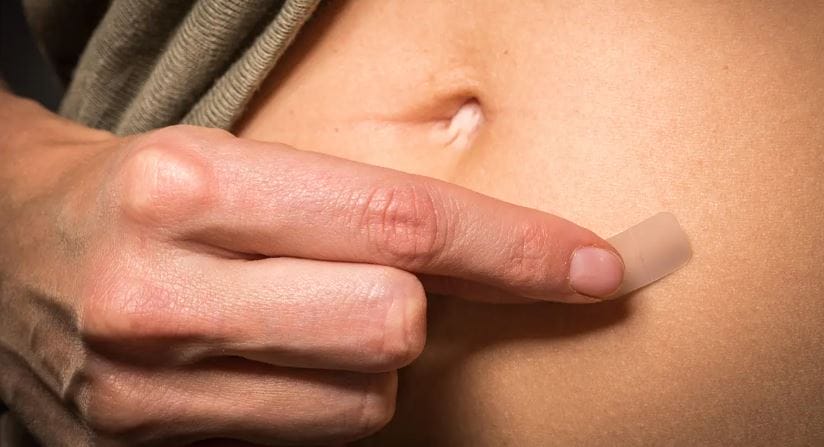
The American College of Obstetricians and Gynecologists (ACOG) has published new guidance on treating common symptoms of menopause and perimenopause, recommending hormone therapy for many women who experience hot flashes and night sweats. This is the first time in more than a decade that the organization, one of the leading professional institutions in gynecology and obstetrics in the United States, has changed its recommendations on the use of hormone therapy during menopause and perimenopause. “Hormone therapy is now the first-line treatment” for vasomotor symptoms, which include hot flashes, night sweats and sleep problems, said Dr. Kameelah Phillips, a gynecologist and menopause specialist. “Previously, we would tell women: ‘Here is an antidepressant. Make sure you exercise. Why don’t you try a glass of wine?’ None of those was helpful,” Phillips said in an interview with “CBS Mornings.” “Now we use hormone therapy much more broadly.” How does hormone therapy work during menopause? Most menopause symptoms are caused by a sharp decline in levels of the hormones estrogen and progesterone, which usually occurs in the late 40s or early 50s. This hormonal decline can cause hot flashes, night sweats and other symptoms. Low levels of estrogen and progesterone can also lead to lower bone density, increasing the risk of osteoporosis and fractures. Hormone therapy can help relieve these symptoms, Phillips explained. It can be taken in various forms, including tablets, skin patches, sprays, gels or vaginal rings that release hormones, which are absorbed by the body. Some women may also benefit from low-dose vaginal estrogen therapy. “Menopause is a normal and natural phase of life, but that does not mean women should have to endure symptoms without help,” ACOG said in a statement accompanying the new recommendations. Which women can benefit from hormone therapy? Not all women going through menopause can use hormone therapy. According to ACOG, women with a history of blood clots, stroke or liver disease should not use it. The therapy should also be avoided by people who have had breast cancer. A long-term study on women’s health, published in 2002, raised concerns about a possible link between hormone use and an increased risk of breast cancer. However, as Dr. Céline Gounder, medical contributor to CBS News and public health editor at KFF Health News, explained, the study focused on older women, who may have started hormone therapy about a decade after the onset of menopause. Newer studies suggest that factors such as age and hormone dose may affect the safety of treatment for many patients. A 2024 study involving more than 10,000 women also suggested that hormone therapy may help slow some processes of biological aging. Under ACOG’s recommendations, women should start hormone therapy before age 60 or within 10 years of the onset of menopause, if they are suitable candidates for this treatment. Women who cannot use hormone therapy may benefit from other alternatives. Phillips recommends consulting a specialist with experience in treating menopause. “There are very good non-hormonal alternatives for these women. But precisely for that reason, it is necessary that they talk to their doctor,” she said. Important: Hormone therapy is not suitable for every woman. The decision to use it should be made in consultation with a doctor, weighing symptoms, medical history, potential benefits and individual risks.GSH
Originally published in Albanian on Reporteri.net. We use AI to help translate and publish our articles, and every article is reviewed by our editors.