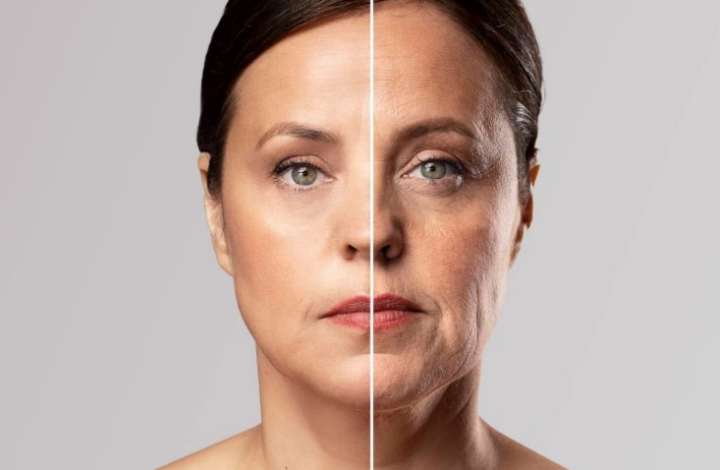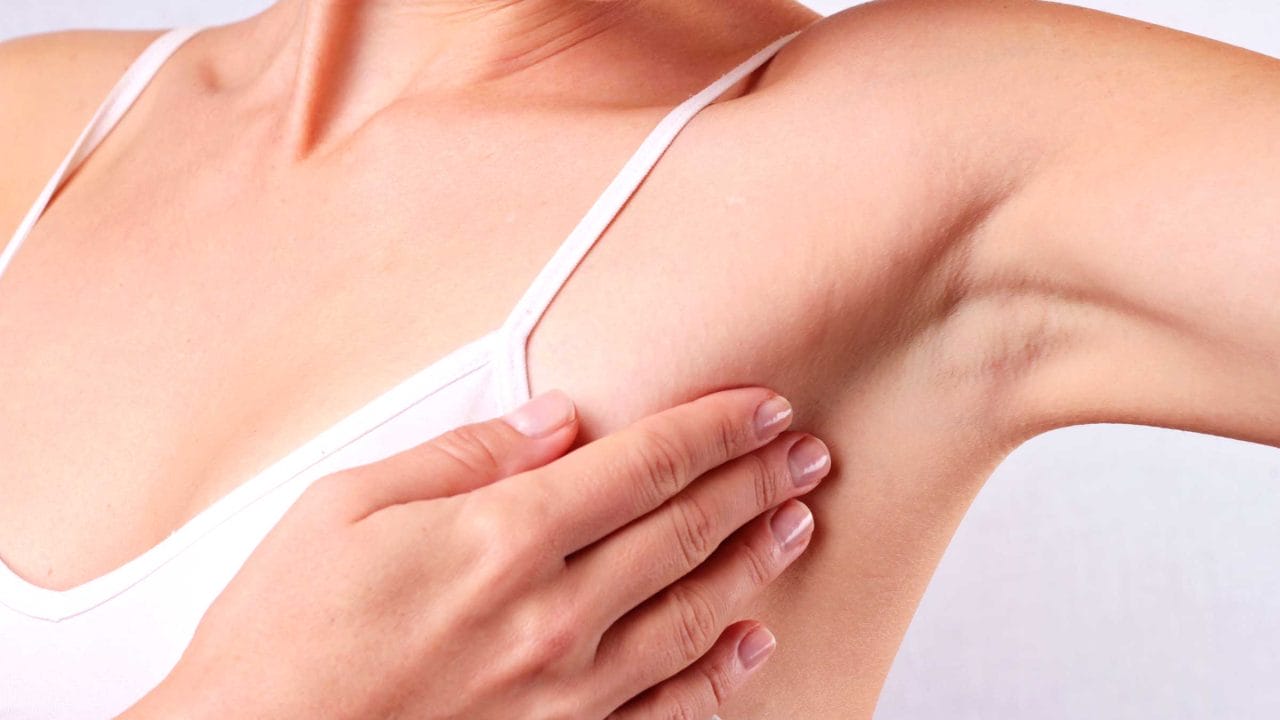
Changes in breast skin can be among the earliest signs of cancer, while cancer treatments can cause side effects on the skin, hair and nails. Doctors advise that any new or persistent change be checked by a health professional Breast cancer does not always appear as a distinct lump. In some cases, the first signs are visible on the skin. According to studies, up to 10 percent of breast cancer patients were first diagnosed because of such changes. Cancer treatments can also cause problems with the skin, hair and nails, which, according to studies, affect up to 94 percent of patients. “Involving a dermatologist from the start of treatment helps assess the skin’s baseline condition and prepare a plan in case side effects appear,” said dermatologist Kiran Mian for ABC News. Which skin changes can be warning signs? Breast cancer is one of the cancers that most often spreads to the skin. Visible changes may include: a change in the color of the breast skin; redness or pimples that do not go away; swelling and an increase in skin temperature; skin with pitting that resembles the surface of an orange peel; and a nipple that is pulled inward. 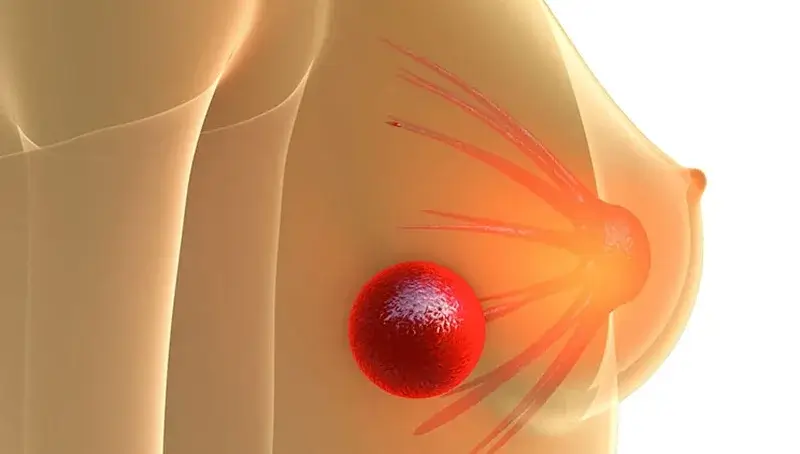 These signs do not necessarily mean cancer, as they can also be caused by other problems. However, if they are new, last for a long time or do not improve, it is important to have them evaluated by a doctor. Inflammatory breast cancer is a rare but aggressive form, accounting for about 1 to 5 percent of breast cancer cases. It can progress faster than more common forms and often does not cause a distinct lump. For this reason, it can be mistaken for a breast infection or for an eczema-like rash. In some cases, patients take antibiotics without improvement, which may lead the doctor to order further tests, including a skin biopsy. “Breast cancer does not always appear as a lump,” said oncologist Elizabeth Comen. How do treatments affect skin and hair? Radiotherapy can cause skin redness similar to sunburn, as well as swelling, itching and darkening of the treated area. In the most severe cases, the skin may peel and ooze fluid. For skin care during treatment, dermatologist Mian recommends gentle, fragrance-free products and regular moisturizing, according to the guidelines of the medical team. More severe reactions should be discussed with the doctor overseeing treatment or with a dermatologist. Depending on the case, medical creams or changes to the treatment may be needed, to be decided only by the oncology team. Another major concern for patients is hair loss. According to studies cited in the article, more than 70 percent of patients consider it the side effect that frightens them most, while about 10 percent have considered refusing chemotherapy for this reason. “Hair loss is not something superficial. It can be a very important part of a person’s identity,” said Comen. However, not all chemotherapy treatments necessarily cause hair loss. One way to limit this effect is scalp cooling, using a special cap worn during chemotherapy. According to one study, up to two-thirds of women who used this method kept at least half of their hair. Effectiveness depends on the type of treatment and the chemotherapy schedule. Hair thinning or loss can also affect eyebrows and eyelashes. After treatment ends, the dermatologist may recommend suitable options for managing hair loss and other skin changes. When should you seek medical help? Experts advise patients not to ignore new changes in the breast skin, especially when they persist or do not improve. Redness does not automatically mean cancer, but the absence of a lump does not rule out the disease. Doctors advise not to wait for a lump to appear before seeking a medical check. Early detection of changes and their assessment by specialists can help identify the problem and ensure proper care.
Originally published in Albanian on Reporteri.net. We use AI to help translate and publish our articles, and every article is reviewed by our editors.