




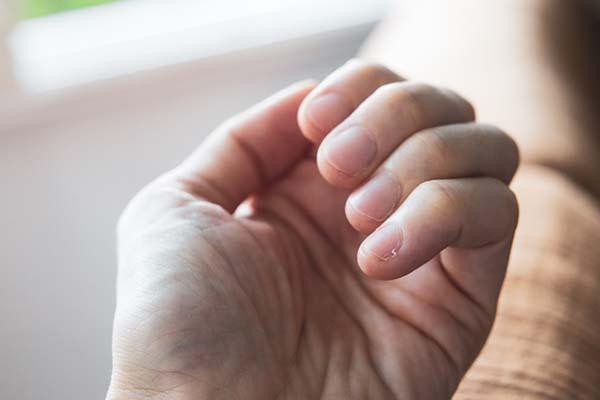
The thyroid is a butterfly-shaped gland located in the center of the front of the neck, roughly midway between the underside of the chin and the front of the neck. The gland mainly produces thyroid hormones, namely thyroxine (T4) and triiodothyronine (T3), which regulate the metabolism of the body’s various organs. If you have a thyroid problem, it may be overactive (hyperthyroidism) or underactive (hypothyroidism). Symptoms of hypothyroidism include pale skin, weight gain, constipation, depression, drowsiness and so on. Symptoms of hyperthyroidism include nervousness, anxiety, sweating, increased appetite, polyuria (frequent urination) and weight loss, among others. Because the thyroid gland is one of the most important glands in our endocrine system, But if you want to know whether your thyroid is working properly and, specifically, whether you have hypothyroidism, you can often simply look at your hands. How can the hands show whether someone has hypothyroidism? Cold hands – When your hands are constantly cold, this may mean poor blood flow. During hypothyroidism, the activity of the thyroid gland is low. This is associated with excess homocysteine. Homocysteine is an amino acid that has been linked to poor blood flow and cardiovascular disease. Wrinkles on the hands – People with hypothyroidism usually have fine lines and wrinkles in the skin, and these may also be visible on the hands. Dry skin is also one of the reasons wrinkles tend to become much more noticeable when the thyroid gland does not work properly. Yellow skin – Hypothyroidism gives the skin a yellowish color. The change in color is due to reduced thyroid hormones and is usually seen on the palms. Brittle nails – Brittle nails break easily, and when a person has hypothyroidism, the nails not only lose their color but also become very fragile. The lack of blood flow to the limbs is mainly responsible for this condition. Onychomycosis – Poor blood flow to the hands and feet worsens nail fungus. This disorder is called onychomycosis and is characterized by hyperkeratosis of the nails.
Our editorial team writes and publishes its articles with the help of AI, and every article is reviewed by our editors.