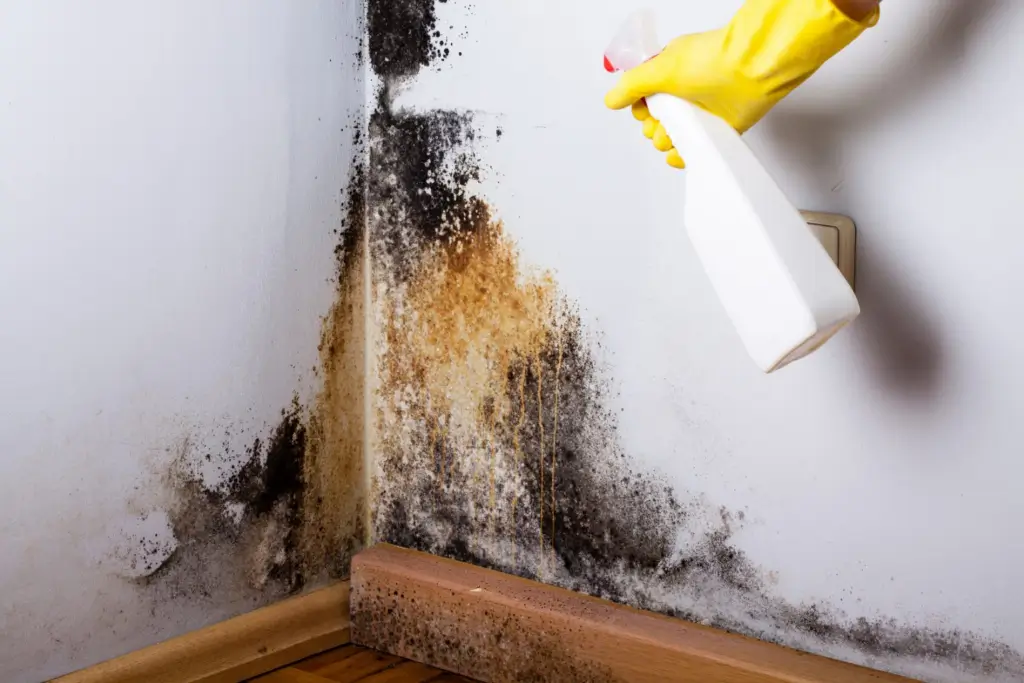
As the cold days arrive and the heating is switched on, many apartments see familiar problems again: windows fogged up in the morning, black spots in the corners of walls and a damp smell that does not go away easily. This happens because warm indoor air meets colder surfaces, such as windows and exterior walls. As a result, condensation forms, which encourages mold to develop when moisture keeps building up. However, the cause is not always the building itself. Often, some everyday habits that seem harmless add to the moisture, and they can be corrected easily. Drying clothes indoors Wet clothes dried inside the home release a considerable amount of moisture into the air. When they are placed directly on radiators, the water evaporates faster and the moisture spreads through the home, condensing on cold surfaces such as windows and exterior walls. If you cannot dry your clothes outside, choose a well-ventilated room. Keep its door closed to limit the spread of moisture to the rest of the apartment. Improper ventilation Keeping a window open for many hours is not necessarily the best way to air out the home. This can cool the walls around the window and cause unnecessary heat loss. A more efficient solution is to open the windows fully for about five to ten minutes, several times a day. In this way, damp air is quickly replaced with fresh air, without letting the walls cool down for a long time. Placing furniture against exterior walls Wardrobes, beds and other furniture placed very close to exterior walls can block air circulation. As a result, cold zones form behind the furniture, where moisture collects and mold can develop unnoticed for a long time. To reduce this risk, it is enough to leave a small gap between the furniture and the wall so that air can circulate more freely. Cooking and showering without proper ventilation The kitchen and bathroom are among the rooms where the most steam is produced during daily activities. Cooking without a lid and taking hot showers significantly increase the amount of moisture in the air. To prevent it from spreading, use a lid when cooking and turn on the extractor fan. After showering, switch on the fan or open the window to remove the steam. Keeping the bathroom door closed during this process helps prevent damp air from spreading into other rooms. Leaving rooms completely unheated Switching off the heating entirely in rooms that are rarely used may seem like a way to save energy, but it can create conditions favorable to condensation. When walls get very cold, moisture in the air can condense more easily on their surfaces. For this reason, it is better to keep rarely used rooms at a lower but relatively stable temperature, instead of leaving them completely cold. Finally, to keep moisture and mold away during the heating season, not only the temperature of the home matters, but also how you ventilate, dry clothes and remove steam from the kitchen and bathroom. Small changes in these habits can help create a drier and more comfortable environment.
Our editorial team writes and publishes its articles with the help of AI, and every article is reviewed by our editors.