For decades, allergies have been explained as an overreaction of the immune system to harmless substances such as pollen, peanuts or dust. But a team of researchers led by clinical immunologist Peter Smith of Griffith University, working with colleagues from the United States, Europe and Singapore, suggests the problem may begin one step earlier.
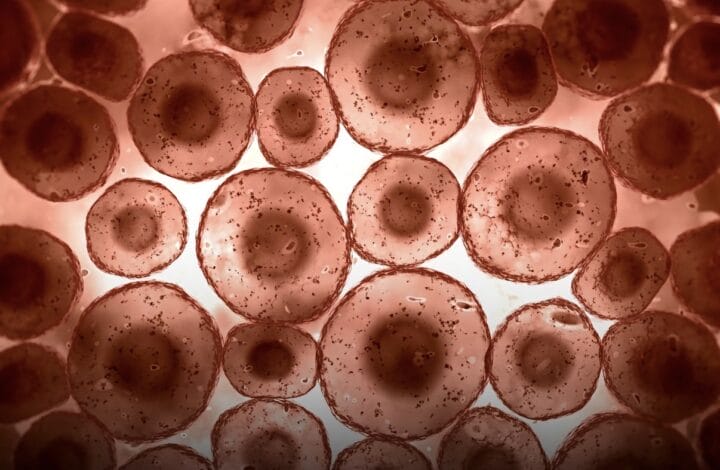
Analyzing one of the largest datasets on allergies, the researchers propose that the cause may be linked to the cells that line the skin, gut, nose, lungs and esophagus. According to them, these cells may lose the normal function of mitochondria, the structures that produce energy inside cells.
When these cells do not have enough energy, they struggle more to cope with environmental stressors and may trigger alarm signals even in response to harmless substances. The immune system then reacts to these signals.
One of the clearest findings was seen in eosinophilic esophagitis, an allergic disease that causes difficulty swallowing. The researchers found that the mitochondrial cleaning system was less active in all 13 patient groups analyzed. In people with eczema, changes in the function of the skin barrier were also observed in areas that were not inflamed.
If this hypothesis is confirmed, it could explain why allergies often return after treatment is stopped. Current medications work mainly by calming the immune system, while the researchers believe treatment should also directly target the cells that form the body’s protective barriers.
According to the team, everyday factors that may damage these cells include processed foods, pollution, microplastics, detergents and antibiotic use at an early age.
However, the researchers stress that this is a hypothesis based on existing data, not an experiment proving that these factors directly cause allergies. The link was also not observed in people with asthma and nasal polyps, while for pollen allergy it appeared only partially.
The next step will be to directly study these cells in infants, before they develop allergies.
Originally published in Albanian on Reporteri.net. Translated from Albanian with the help of AI.