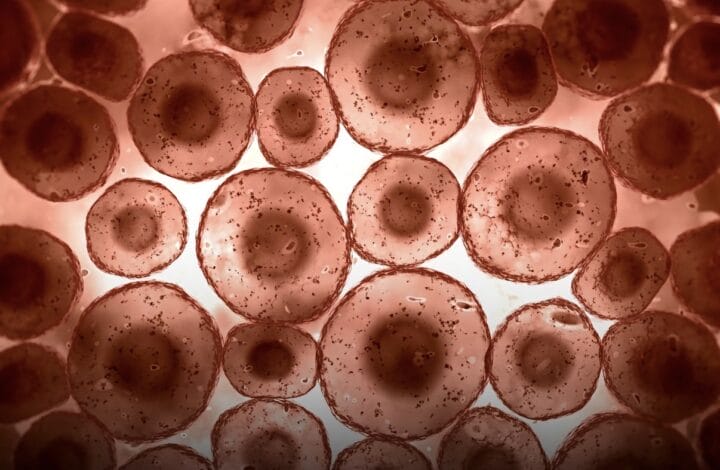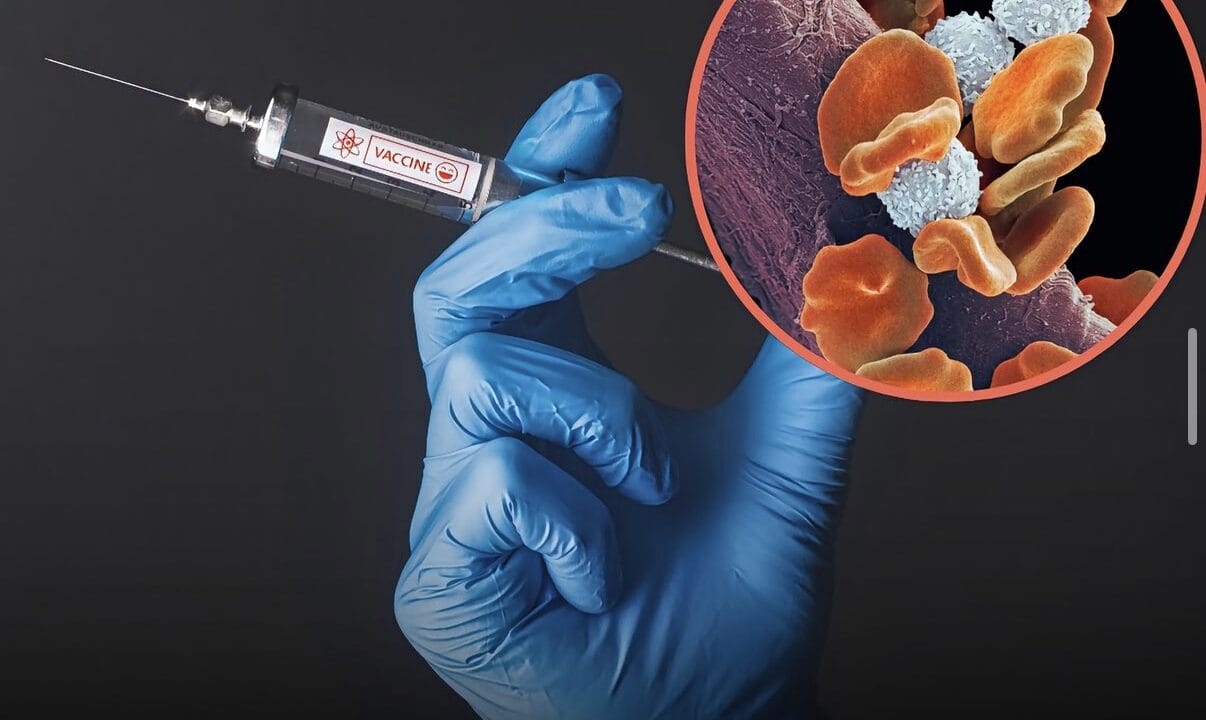
A new experimental leukemia vaccine has shown promising results in a clinical trial, reducing the risk of death by 41% among patients with an aggressive form of blood cancer.
The vaccine, called Galinpepimut-S, was tested on 126 patients with acute myeloid leukemia (AML) whose disease had returned but who had since achieved remission again. None of them was a candidate for a stem cell transplant.
As part of the study, half of the patients received the vaccine to prevent the disease from returning, while the rest were treated with standard therapy.
Results published by the pharmaceutical company SELLAS Life Sciences show that patients who received the vaccine lived an average of 24 months, compared with 14.7 months for those who received standard treatment.
The vaccine works by stimulating the immune system to recognize the WT1 protein, which is found at high levels in many leukemia cells. Through this mechanism, the immune system aims to identify and destroy cancer cells that may have remained in the body after treatment.
According to the published data, side effects have been mostly mild, with pain at the injection site the most commonly reported.
However, the results should be interpreted with caution. The data are still preliminary, were published by the company itself, and have not yet been reviewed by independent experts. The study included a relatively small number of patients and only one specific category of people with leukemia.
The company has said it plans to discuss next steps with the U.S. Food and Drug Administration (FDA) and aims to submit an application for approval of the vaccine in the first half of 2027.
If the results are confirmed by further studies and the vaccine receives the corresponding approval, it could represent a new treatment option for patients with this aggressive form of leukemia.
Originally published in Albanian on Reporteri.net. Translated from Albanian with the help of AI.