A new scientific study has yielded promising results in identifying changes that may precede the development of one of the most dangerous forms of cancer in women.
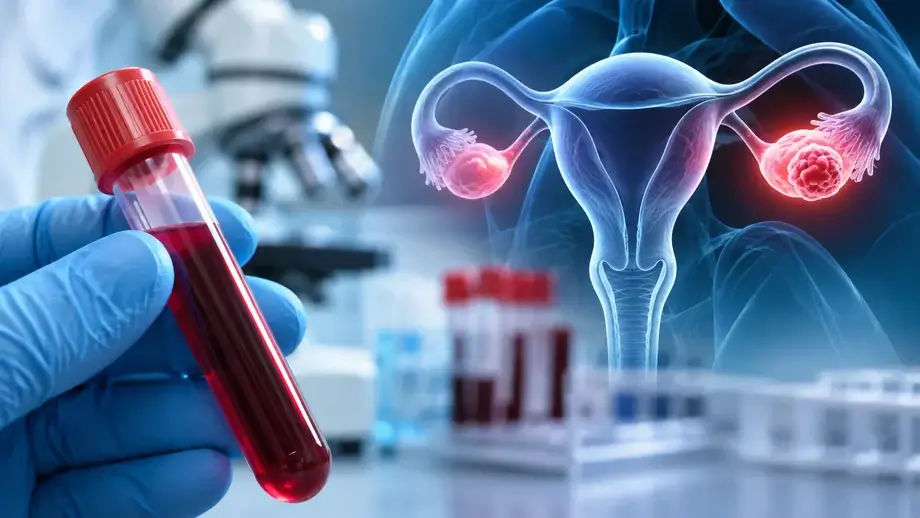
A new blood test could help identify women at an early stage who have precancerous changes linked to ovarian cancer, opening new opportunities for the diagnosis and prevention of this disease.
According to a report by the international news agency Reuters, scientists have identified a molecular signal in the blood, called Tu-Stroma, that could help detect a microscopic precancerous condition known as STIC.
This condition develops in the fallopian tubes and is considered a precursor to several forms of ovarian cancer.
Why is this discovery so important?
Ovarian cancer poses a major challenge for medicine, because in its early stages the symptoms can be vague or mistaken for other health problems.
Persistent bloating, pelvic pain, feeling full quickly and changes in urination are some of the symptoms that call for medical evaluation, especially when they are new and persistent.
A reliable method for identifying precancerous changes could be especially helpful for women who have an inherited predisposition to the disease.
Can the test be used right away?
Despite the encouraging results, the analysis is not yet a standard screening method for the population.
Scientists need to confirm its accuracy in larger studies and determine how it can be used in clinical decision-making.
The discovery, however, represents a promising step toward earlier identification of dangerous changes and could help improve care for women at high risk.
Originally published in Albanian on Reporteri.net. We use AI to help translate and publish our articles, and every article is reviewed by our editors.