After results that drew attention at ASCO 2026, researchers are expanding testing of amivantamab into phase three clinical trials, while expectations for this treatment are rising sharply
A new cancer treatment is being considered one of the most promising developments in oncology in recent years, after results from a clinical trial showed that tumors have completely disappeared in some patients.
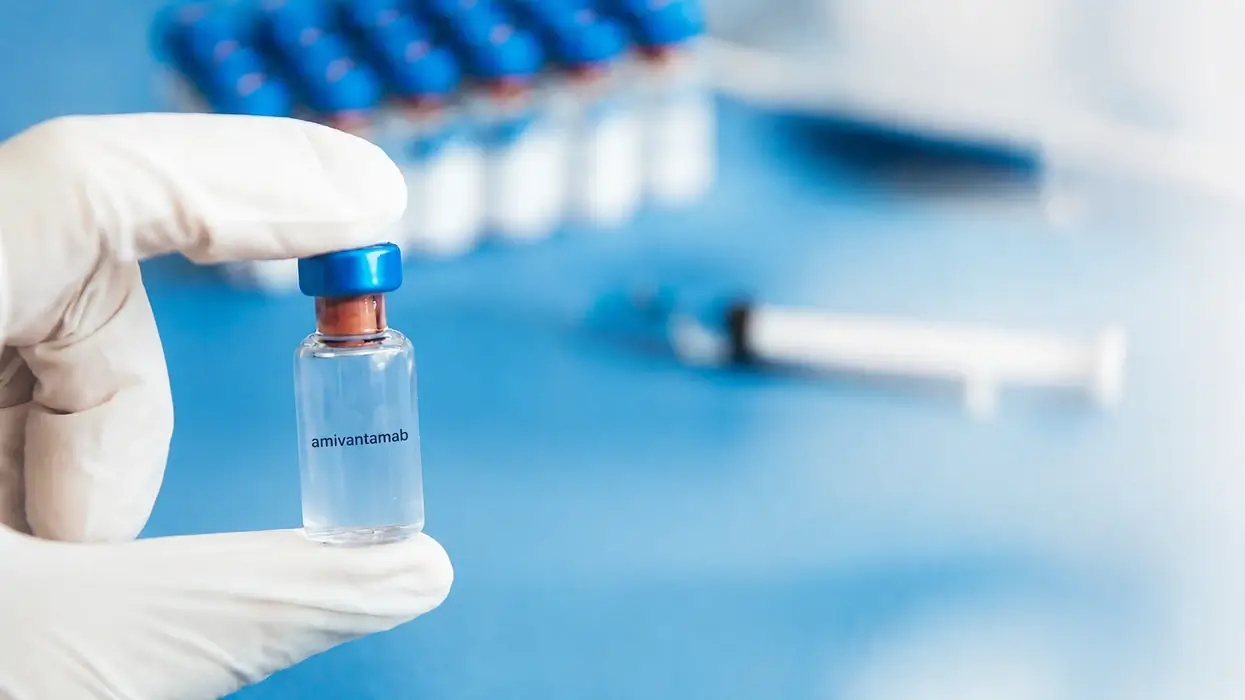
The drug in question is amivantamab, a dual-action therapy that targets the EGFR and MET receptors. It is being tested in patients with advanced head and neck cancer whose disease had returned or no longer responded to standard treatments.
According to data reported by The Guardian and presented at ASCO 2026, 102 patients took part in the OrigAMI-4 study. The results showed that 42% of them responded to the treatment, while a complete disappearance of the tumor was reported in 15%.
Experts describe this as an extremely important result, especially for patients with aggressive forms of the disease, who usually have very few treatment options because their cancer progresses after chemotherapy or immunotherapy, reports Telegrafi.
Amivantamab works by blocking two key pathways that help tumors grow and spread, while also helping the immune system recognize and attack cancer cells. This combined approach is why the therapy is attracting so much attention in the scientific community.
Another important development is that the phase three study, OrigAMI-5, has already begun. It will test the therapy in a larger group of patients and at an earlier stage of treatment. This phase is considered crucial for determining whether the results can be confirmed on a wider scale.
Although the data are very encouraging, researchers stress that broader evidence and longer follow-up of patients are still needed to assess long-term benefit, safety and the potential for wider clinical use.
For now, the results are seen as an important step for patients with advanced head and neck cancer, but also as a sign of hope for the development of new, more personalized cancer therapies.
Originally published in Albanian on Reporteri.net. We use AI to help translate and publish our articles, and every article is reviewed by our editors.