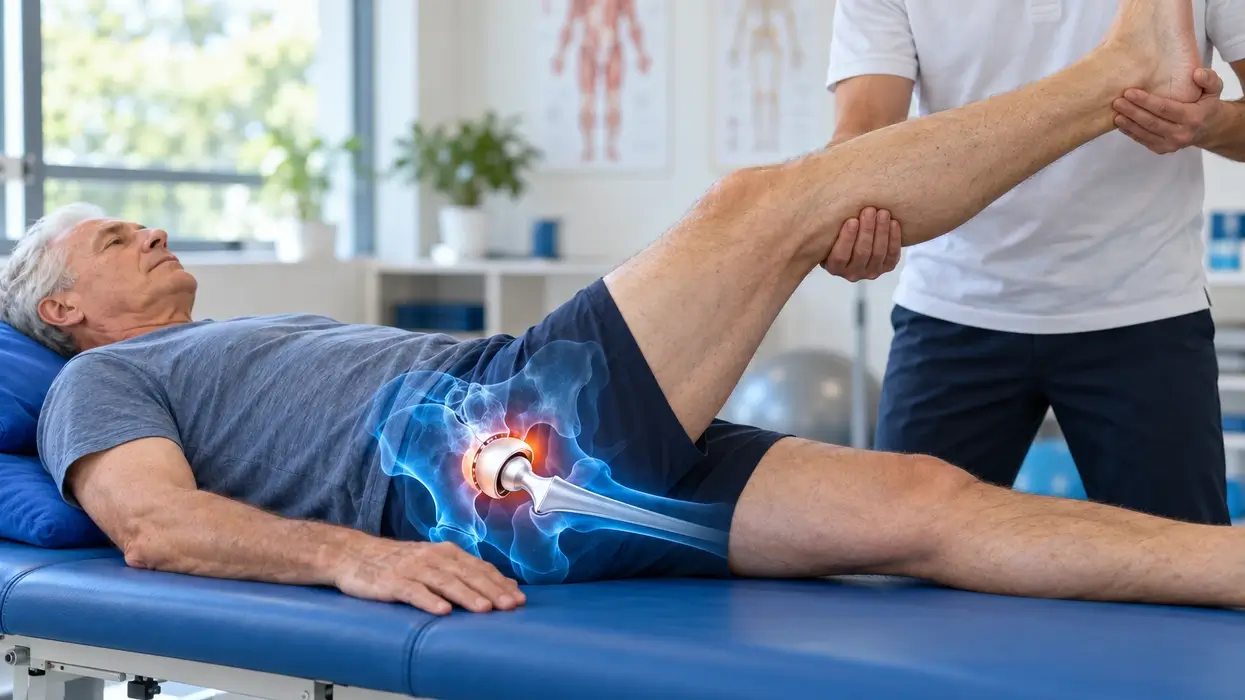
Many people think the hard part ends when they leave the operating room. In fact, after a hip replacement, spine surgery or shoulder surgery, the outcome depends heavily on what you do in the weeks and months that follow. Some habits that seem reasonable only prolong recovery for no reason.
Patients who have had surgery recently visit the clinic regularly. Some have had a hip replacement, some have had a herniated disc removed, and others have had shoulder tendons repaired. The operations differ, but the questions are often the same: How much should I rest? Am I allowed to move? When can I go back to work?
The answers depend on the procedure and the surgeon, but we see some mistakes after almost every orthopedic operation.
Mistake one: the “stay in bed until it heals” approach
After surgery, the whole family often makes sure the patient does not move at all. The intention is good, but long rest causes problems of its own: muscles lose strength within a few days, joints stiffen, and the risk of blood clots in the leg veins increases.
That is why today, after most orthopedic operations, patients get up and walk with help on the day of surgery or the day after. The British NICE guideline for hip, knee and shoulder replacements recommends starting rehabilitation within 24 hours of the procedure.
A little rest is necessary, but it should be combined with movement:
• a few short walks during the day, with crutches if you have been given them
• gentle leg exercises in bed or in a chair
• frequent changes of position during the day
Mistake two: “I’ll endure the pain without medication”
Some patients avoid the painkillers their doctor has prescribed, because they fear they will damage their stomach or become dependent on them. As a result, pain keeps them from walking and exercising, and the first weeks, which matter most for joint movement, pass without progress.
Painkillers after surgery are not an end in themselves. They are taken so that you can move. Take them as your doctor has instructed and, if side effects bother you, talk to your doctor instead of stopping them on your own. Ice and keeping the leg elevated also help against pain and swelling.
Mistake three: rushing as soon as you feel better
The opposite happens just as often. After two or three weeks, the pain subsides, the person feels well and decides to put down the crutches, lift something heavy, work in the garden or remove the arm brace early.
But when you feel well, that does not mean the tissues have healed. A repaired shoulder tendon needs several weeks to get stronger. After a hip replacement, some movements may be temporarily forbidden. After spine surgery, lifting heavy weights is usually postponed until the surgeon allows it.
The rule is simple: the restrictions your surgeon gave you apply until your surgeon lifts them, not until you feel better.
Mistake four: stopping exercises as soon as you start walking
Many people think rehabilitation is over once they walk without crutches. But walking is only the first step. The muscles around the operated joint often remain weaker than those on the healthy side for months, even after the pain has gone.
This weakness shows up in everyday tasks:
• climbing stairs while always leading with the “good” leg
• getting up from a chair by pushing with your hands
• limping when you are tired
• feeling unsteady when walking on uneven ground
Mistake five: comparing yourself with others and with videos online
“My brother-in-law walked without crutches two weeks after his operation.” “I saw online that after shoulder surgery you should do this exercise.” Comparisons like these cause either anxiety or overconfidence.
Two operations with the same name can be very different. The technique the surgeon used, the quality of the bone, age, strength before surgery and conditions such as diabetes all affect how quickly you heal. An exercise from the internet may be right for someone else but wrong for your stage of recovery.
Your program should be based on your surgeon’s instructions and your own examination, not on someone else’s experience.
When should you not wait?
Pain and swelling after surgery are usually part of healing and gradually subside. But some signs require immediate attention:
• the wound becomes red, hot, leaks or opens
• you have a fever or chills
• the calf is swollen, warm and painful
• you have difficulty breathing or chest pain
• after a hip replacement, the leg suddenly looks shorter or rotated
• after spine surgery, you feel numbness in the area between your thighs or have difficulty urinating or passing stool
If any of these appear, contact your surgeon or go to the emergency room immediately.
What speeds up healing?
Many patients after knee replacement ask about the machine that moves the knee by itself. A 2014 Cochrane review found no clinically important benefits that would justify its use for every patient. The foundation of recovery is active exercise, in which your own muscles do the work.
Good rehabilitation is not complicated, but it requires routine and patience:
• moving as early as your surgeon allows
• taking painkillers as your doctor directs, so that you can move
• strengthening exercises that become harder week by week
• exercises for balance and walking, not only for strength
• a clear home program
• regular checkups to adjust the plan
If your surgery is scheduled, preparation can begin before it. A few weeks of exercise before the procedure help you learn the movements and how to walk with crutches while you still have no pain from the wound./ Telegrafi
Originally published in Albanian on Reporteri.net. We use AI to help translate and publish our articles, and every article is reviewed by our editors.